
Surgeons Instruments: Choosing Quality Tools for Better Surgical Outcomes
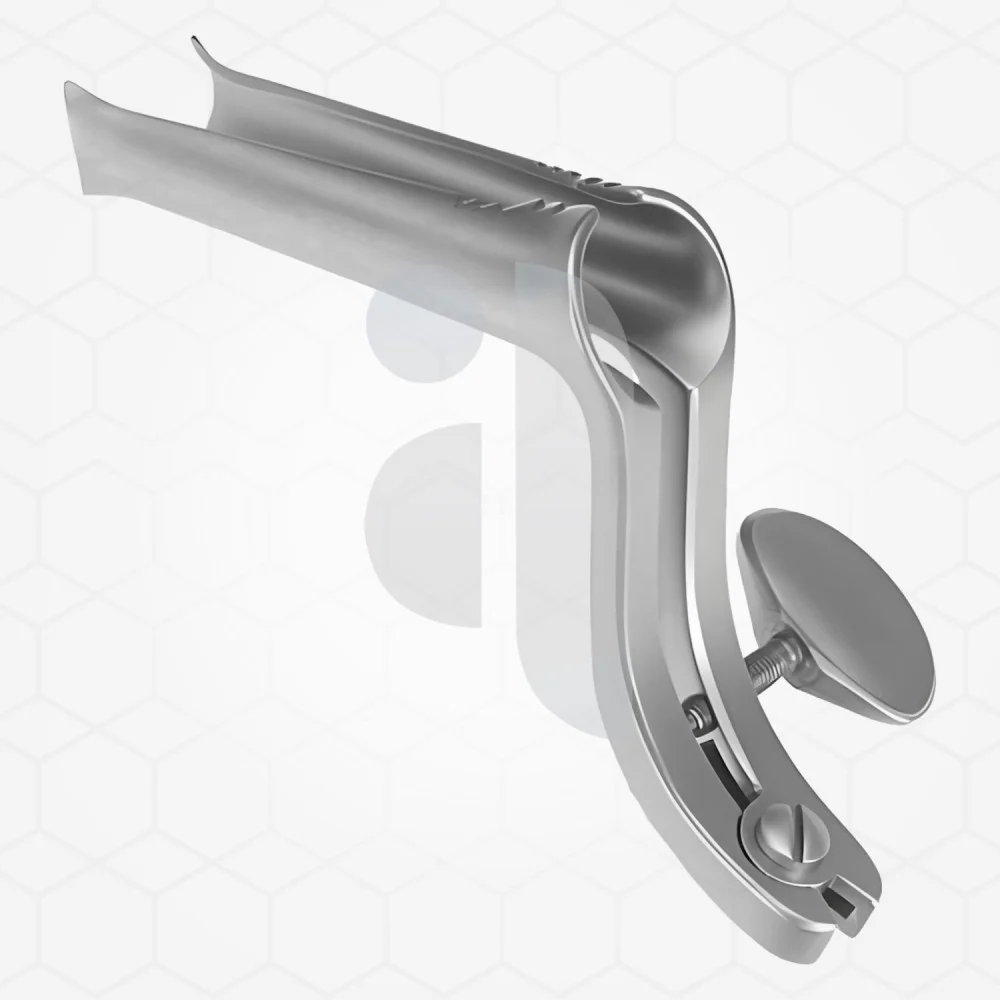
Every operation depends on more than skill alone. The tools in a surgeon’s hands shape each incision, each suture, and each step toward recovery. High-quality surgeons instruments give medical teams the precision, comfort, and reliability they need, from routine procedures to the most complex cases. What surgeons instruments tools apart and how to choose a manufacturer you can trust.
The Role of Instruments in Modern Surgery
Surgery is a sequence of careful actions: cutting, grasping, clamping, retracting, and closing. Each action calls for a specific tool, and each tool must perform the same way every time. Well-crafted surgeons instruments let clinicians focus on the patient rather than the equipment. When a clamp locks securely or a pair of scissors cuts cleanly, the procedure runs more smoothly and the risk of complications drops.
Essential Tools Found on Every Tray
Most surgical trays share a common foundation. Scalpels make precise incisions, and surgical scissors divide tissue and sutures. Forceps hold delicate structures in place, and hemostats control bleeding. Retractors keep the field open, and needle holders guide sutures during closure. These core surgeons instruments appear in nearly every operating room, which is why their quality directly affects daily clinical performance.
Specialty Instruments for Specialized Care
Dental surgeons rely on extraction forceps and elevators. Ophthalmic procedures require micro scissors and ultra-fine forceps, while neuro and spine specialists depend on Kerrison punches and nerve hooks near sensitive structures. In plastic surgery, skin hooks and fine dissecting scissors protect tissue and support clean results. Specialty surgeons instruments like these must match the anatomy and demands of each discipline.
Why Material and Craftsmanship Matter
The best tools start with surgical-grade stainless steel. This material resists corrosion, holds a sharp edge, and withstands repeated sterilization. Precise jaw alignment prevents slipping, and smooth ratchets lock without strain. Balanced, ergonomic handles also reduce hand fatigue during long cases. When orthopedic mallet are built with this level of care, they deliver consistent control and lasting value.
Caring for Your Instruments
Even premium tools need proper handling. Clean each instrument soon after use so residue doesn’t harden. Inspect tips, edges, and joints before sterilization, and remove any damaged items from service. With routine care, surgeons instruments can perform reliably for years, helping facilities control replacement costs.
Conclusion
The right tools turn demanding procedures into controlled, confident care. From basic scalpels and forceps to advanced specialty instruments, quality surgeons instruments support better patient outcomes and greater clinician comfort. With more than twenty years of expertise and a commitment to precision, AzeeMed helps surgical teams around the world work at their best. Explore the AzeeMed collection today and equip your practice with instruments built to perform.