
Smart Hygiene Habits Every Frequent Traveler Should Know
Anyone who spends a lot of time in airports, on airplanes, or moving through crowded environments knows that travel days rarely feel like “clean” days. Between security lines, shared armrests, recycled cabin air, and hours spent in tightly packed terminals, frequent flyers are constantly exposed to an environment that’s very different from their daily routine at home or in the office.
That’s why more travelers — from weekly business commuters to occasional vacationers — are starting to think more intentionally about their pre-flight and in-flight hygiene habits. It’s not about panic or overthinking every surface you touch. It’s about building a few small, practical habits into your travel routine, the same way you’d pack a phone charger, a neck pillow, or a compact nasal guard.
Why Travel Environments Feel Different
Airports are essentially small cities. Thousands of people move through the same terminals, touch the same kiosks, and breathe the same recirculated air, often after arriving from completely different parts of the world. Add in the general stress of tight connections, long security lines, and unpredictable schedules, and it’s easy to see why travel days can feel more draining than a regular day at home.
Airplanes bring their own unique environment. Cabin air is a mix of outside air and recirculated air, filtered and cycled repeatedly throughout the flight. Combine that with close seating, shared tray tables, and limited space to move around, and you have a setting that’s simply more crowded and enclosed than most people encounter in a typical day.
None of this means travel is something to fear — millions of people fly every single day without a second thought. But it does explain why so frequent travelers have started paying closer attention to the small routines they can control, even if they can’t control the environment around them.
Building a Pre-Flight Hygiene Routine
Most seasoned travelers already have some version of a “getting ready for the airport” checklist. It usually includes things like the following:
- Packing hand sanitizer or sanitizing wipes in a carry-on
- Bringing a reusable water bottle to refill after security
- Wearing comfortable layers for changing cabin temperatures
- Packing travel-sized versions of everyday hygiene products
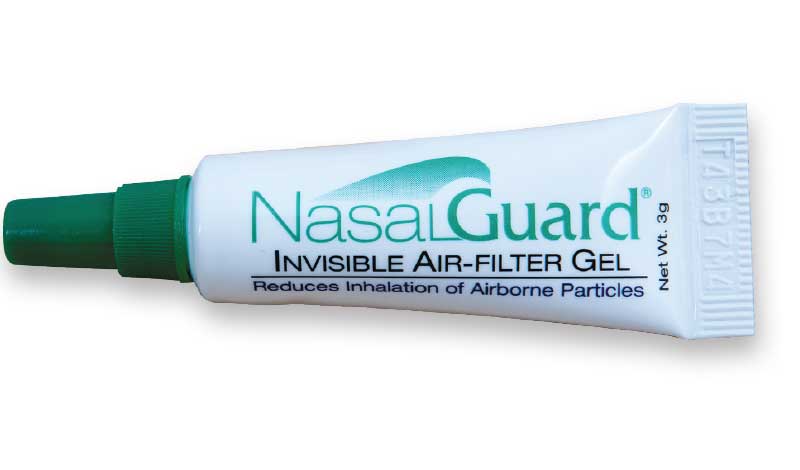
Increasingly, people are adding one more item to that list: a compact, travel-friendly nasal guard designed for external topical use before boarding or during a flight. Products like the NasalGuard Airborne Particle Blocker are built specifically around this idea—something small enough to fit in a carry-on bag or jacket pocket, made for quick application as part of an existing hygiene routine, without adding extra steps to an already busy travel day.
How Product Features Fit Into a Travel Routine
When frequent flyers evaluate travel products, the details that matter most are usually the practical ones: Is it TSA-friendly? Does it fit in a small bag? Is it easy to use without needing a mirror or extra prep time?
A well-designed nasal guard like NasalGuard is built around those exact considerations. It’s designed for external topical application, meaning it’s applied directly and doesn’t require any special preparation. The applicator format is compact, making it a natural fit alongside other carry-on essentials like lip balm or hand sanitizer. For someone moving quickly through security or squeezing in a routine between boarding groups, that kind of simplicity matters.
The underlying approach behind this kind of nasal guard is what’s known as “positive ion barrier technology,” which is designed to create a physical barrier as part of an external application. It’s a feature-focused approach—the emphasis is on the mechanism and the format, not on making any broad promises about what happens once it’s applied. For travelers, the appeal is less about any dramatic claim and more about having one additional, low-effort step available as part of an already-established hygiene habit.
It’s About the Environment, Not Just the Flight
While air travel is one of the more obvious use cases, the same thinking applies to any crowded or high-traffic environment — think concerts, public transit during rush hour, large conferences, or even a packed office during flu season on the calendar (not in symptoms, just seasonally speaking in terms of crowd density). Workplace exposure is another area where people are rethinking their everyday habits, especially in open-plan offices or shared workspaces where dozens of people interact with the same surfaces and shared air throughout the day.
Outdoor activities in high-pollen seasons or dusty environments—hiking, gardening, outdoor events—are another situation where people are simply more mindful of what’s in the air around them. This isn’t unique to any one demographic; it’s a broader shift toward treating airborne particle exposure as just another variable to manage, similar to sun exposure or hydration.
Making It Part of a Daily Habit, Not a Special Occasion
One of the more interesting shifts in traveler behavior is that these products aren’t being treated as a “just for emergencies” item anymore. Instead, they’re being folded into regular routines—applied before a commute, before a flight, or before heading into a crowded event, the same way someone might apply sunscreen before spending time outdoors.
That shift matters because it reflects a broader change in how people think about daily hygiene. It’s less about reacting to a specific situation and more about building small, sustainable habits that fit into an already busy lifestyle. For frequent travelers in particular, having one more compact, TSA-friendly nasal guard in a carry-on bag—something like the NasalGuard Antiseptic Topical Gel for on-the-go external use—is simply another small addition to a routine that’s already built around efficiency and portability.
Final Thoughts
Travel will always come with a certain amount of unpredictability—delayed flights, crowded terminals, and long security lines aren’t going anywhere. But the way travelers prepare for those situations continues to evolve. Small, practical additions to a daily or pre-flight routine—including a reliable nasal guard—paired with genuinely useful product features like compact size, ease of external application, and travel-friendly packaging, are what frequent flyers are gravitating toward.
Whether it’s a business traveler packing for a weekly flight or a family preparing for a vacation, the goal is the same: build routines that are simple enough to stick with, practical enough to fit in a carry-on, and flexible enough to work in any crowded environment—not just an airplane cabin.