
Lower Blepharoplasty in London: How Is the Lower Eyelid Contour Assessed?
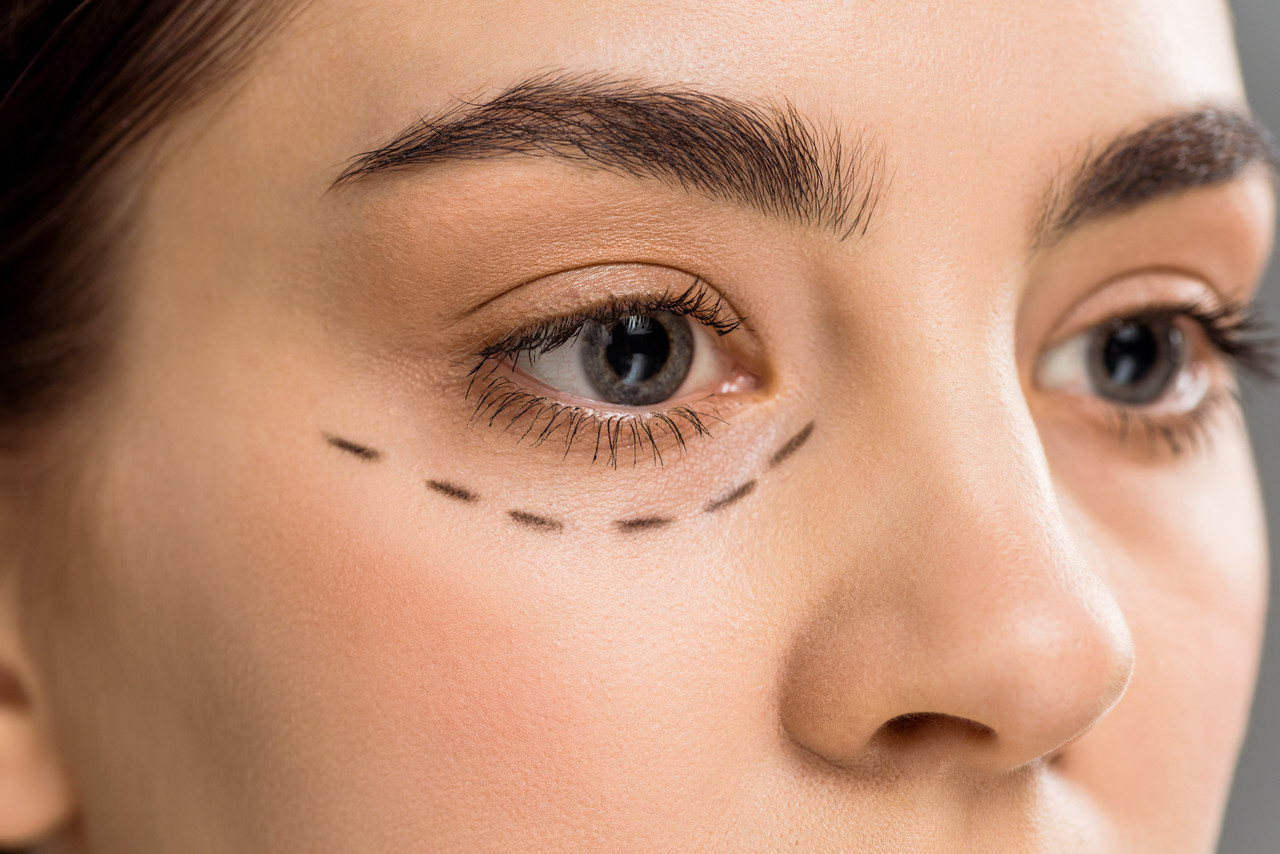
The area beneath the eyes plays an important role in overall facial appearance. The lower eyelids help frame the eyes, contribute to facial expression, and influence how rested or refreshed a person may look. Changes in this area can include under-eye bags, puffiness, hollows, loose skin, and variations in the transition between the lower eyelid and the cheek. Understanding these features is an important part of planning lower eyelid surgery.
Lower Blepharoplasty in London is a surgical procedure that focuses on the lower eyelid area, with the aim of addressing selected concerns involving skin, underlying fat, and eyelid contour. Before developing a treatment plan, a qualified surgeon evaluates the individual’s eyelid anatomy, skin characteristics, facial proportions, and personal goals.
At Bodyvie Clinic, understanding the lower eyelid contour involves considering how different anatomical features work together rather than focusing on one isolated concern. A detailed assessment helps establish which features may be suitable for treatment and how the lower eyelid relates to the surrounding facial structures.
Understanding the Lower Eyelid Contour
The lower eyelid contour refers to the shape and transition of the area extending from the lower eyelid margin towards the upper cheek. It is influenced by several structures, including the skin, supporting tissues, orbital fat, muscles, and the underlying bone structure.
A smooth lower eyelid contour does not look identical in every person. Natural differences in eye shape, cheek volume, skin thickness, and facial proportions contribute to individual appearance. Therefore, an assessment should consider the person’s existing anatomy rather than rely on a single definition of an ideal eyelid.
Some individuals notice fullness beneath the eyes, while others have a hollow appearance or a visible groove between the lower eyelid and cheek. These concerns may look similar at first but can have different anatomical causes.
During an assessment for Lower Eyelid Surgery In London, the surgeon examines the location, shape, and extent of these features to understand the factors contributing to the person’s concerns.
Why Lower Eyelid Contour Assessment Matters
Lower eyelid surgery requires careful planning because the tissues around the eyes are delicate and closely connected to overall facial balance. An assessment helps identify the specific features that influence the appearance of the lower eyelids.
For example, prominent under-eye bags may be associated with the position of orbital fat, whereas a hollow appearance may relate to volume distribution and the natural transition between the eyelid and cheek. Loose skin can also contribute to an uneven contour.
These features may occur individually or together. As a result, the assessment should establish whether the main concern involves excess fullness, skin laxity, volume distribution, or a combination of factors.
A structured evaluation also helps the surgeon discuss realistic treatment objectives. Rather than assuming that every concern requires the same surgical approach, the clinician can consider the individual’s anatomy and determine whether lower blepharoplasty is appropriate.
Evaluating Under-Eye Bags and Fat Distribution
Under-eye bags are among the common concerns discussed during lower eyelid consultations. They may create a rounded or puffy appearance beneath the eyes and can influence the transition between the eyelid and cheek.
The surgeon examines where the fullness is located and whether it appears evenly distributed across the lower eyelid. The assessment may consider the medial area near the nose, the central lower eyelid, and the outer portion closer to the temples.
Orbital fat naturally helps support and cushion the eye. Changes in the position or prominence of this fat can contribute to under-eye fullness. The surrounding skin and supporting tissues also influence how clearly this fullness becomes visible.
During Lower Blepharoplasty in London, the clinician evaluates whether the appearance is primarily associated with prominent fat compartments, loose skin, a combination of features, or other anatomical factors.
The distinction is important because the treatment plan should reflect the underlying concern. Lower eyelid surgery may involve carefully addressing selected fat deposits, and in some cases, fat repositioning may be considered to improve the transition between the lower eyelid and cheek.
The objective of the assessment is to understand the existing contour and identify an approach that is appropriate for the individual’s anatomy.
Assessing Skin Quality and Elasticity
Skin quality is another important consideration when evaluating the lower eyelids. The skin in this area is relatively thin, making changes in texture, elasticity, and firmness particularly noticeable.
During a consultation, the surgeon examines the amount of visible loose skin and considers its distribution across the lower eyelid. Fine lines, creasing, and changes in skin texture may also be discussed as part of the overall assessment.
Skin elasticity influences how the tissues respond to movement and how the lower eyelid contour appears when the face is at rest. The clinician may assess the relationship between the skin and underlying structures to determine whether skin laxity contributes significantly to the person’s concerns.
Not every individual with under-eye bags has substantial excess skin. Similarly, a person may have loose skin without pronounced fat protrusion. Recognising these differences helps prevent a one-size-fits-all approach to treatment planning.
For suitable patients, lower blepharoplasty may include addressing a carefully assessed amount of excess skin. The proposed approach depends on the existing anatomy and the clinician’s evaluation of the lower eyelid.
Examining the Tear Trough and Eyelid-to-Cheek Transition
The tear trough is the groove that can extend from the inner corner of the eye along the junction between the lower eyelid and cheek. Its depth and visibility vary naturally between individuals.
A pronounced tear trough may create a hollow appearance beneath the eyes. When a hollow lies next to a prominent fat compartment, the contrast can make the under-eye area appear more uneven.
During an assessment, the surgeon evaluates the depth, length, and position of the tear trough. They also examine how it connects with the surrounding cheek and whether the contour changes gradually or forms a more noticeable indentation.
This evaluation helps distinguish between concerns caused mainly by excess fullness and those associated with volume deficiency. Both may affect the appearance of the lower eyelid, but they do not necessarily require the same treatment strategy.
In selected cases, fat repositioning may be considered to create a more gradual transition between the lower eyelid and cheek. The suitability of this approach depends on the person’s anatomy and the surgeon’s clinical judgement.
A comprehensive assessment considers the entire under-eye region rather than treating the tear trough as an isolated feature.
Considering Eyelid Support and Muscle Function
The lower eyelid depends on several structures to maintain its position and relationship with the eye. These include the eyelid tissues, supporting ligaments, and orbicularis oculi muscle, which contributes to closing the eyelids and facial expression.
The surgeon examines the position of the lower eyelid and considers its relationship with the eye and surrounding facial structures. Eyelid shape, tissue support, and the appearance of the outer corner of the eye may form part of this evaluation.
The assessment also considers whether the lower eyelid sits closely against the eye and how the surrounding tissues behave during examination. These observations help the clinician understand the individual’s anatomy before discussing an appropriate surgical approach.
Muscle and tissue characteristics can influence how the lower eyelid contour is managed. Therefore, the assessment is not limited to measuring the amount of visible skin or fat.
By evaluating the supporting structures alongside the surface appearance, the surgeon can develop a more complete understanding of the lower eyelid.
Reviewing Facial Proportions and Overall Symmetry
The lower eyelids do not exist independently of the rest of the face. Their appearance is influenced by cheek projection, the shape of the eye sockets, the position of the eyebrows, and the overall distribution of facial volume.
A surgeon assessing Lower Eyelid Surgery In London considers how the lower eyelids relate to these surrounding features. For instance, a naturally flatter cheek may create a different eyelid-to-cheek transition from a cheek with greater projection.
Facial symmetry is also considered. Many people have small differences between their left and right eyes, including variations in eyelid height, under-eye fullness, and the depth of the tear trough.
The assessment identifies these differences so that treatment planning reflects the person’s existing facial characteristics. Perfect symmetry is not a realistic universal objective, and natural differences do not necessarily indicate a problem requiring treatment.
Photographs may be used, where appropriate, to document the initial appearance and support discussion of the proposed treatment. They can help the clinician review the lower eyelids from different angles and explain how the planned approach relates to the surrounding facial features.
Assessing the Lower Eyelids From Different Angles
Viewing the lower eyelids from more than one angle provides additional information about contour and volume distribution.
A frontal view helps reveal the general pattern of under-eye fullness, the visibility of the tear trough, and differences between the two sides. A side view can provide a clearer understanding of the relationship between the lower eyelid and cheek projection.
Oblique views may also help illustrate how the contour changes from the inner corner of the eye towards the outer cheek. These perspectives can be useful when fullness, hollows, or skin folds are more noticeable from certain angles.
The clinician may also observe the area under different lighting conditions, as shadows can influence how prominent under-eye hollows appear.
The purpose of reviewing different angles is to understand the anatomical features contributing to the concern, not to rely on photographs alone. Clinical examination and discussion of the patient’s goals remain important parts of the assessment.
How a Personalised Lower Blepharoplasty Plan Is Developed
After examining the lower eyelids, the surgeon brings together the findings to determine which features are relevant to the proposed treatment.
The assessment may identify excess skin, prominent fat compartments, a pronounced tear trough, or a combination of these characteristics. The clinician also considers eyelid support, facial proportions, and the person’s expectations.
The surgical approach can vary according to these findings. Some patients may be assessed for a technique that addresses fat through the inside of the lower eyelid, while others may require an approach that also permits carefully planned skin treatment. Fat repositioning may be discussed when the eyelid-to-cheek transition is an important concern.
These options are not interchangeable, and suitability depends on individual clinical findings. The surgeon explains the reasoning behind the proposed approach and discusses the changes that may reasonably be expected.
Patients should also have the opportunity to ask questions about the assessment, the procedure, recovery arrangements, and follow-up appointments. Clear communication supports informed decision-making and helps ensure that the treatment plan reflects the person’s priorities.
What to Expect at a Lower Blepharoplasty Consultation at Bodyvie Clinic
A consultation at a Blepharoplasty Clinic in London generally begins with a discussion of the patient’s concerns and desired outcomes. The clinician may ask when the under-eye changes became noticeable, whether they vary over time, and which aspects of the lower eyelid are most bothersome.
The assessment then focuses on the lower eyelid anatomy and the surrounding facial structures. Skin quality, fat distribution, the tear trough, eyelid position, and cheek proportions may all be reviewed as relevant to the individual’s presentation.
Medical history and previous procedures are also important when establishing suitability for surgery. The clinician may ask about previous eye conditions, treatments, current medication, and other relevant details.
Based on the findings, the surgeon discusses whether lower blepharoplasty may be suitable and explains the available approach in the context of the patient’s anatomy. If another treatment or further assessment is more appropriate, this can also be addressed during the consultation.
At Bodyvie Clinic, patients can use the consultation to understand the assessment process, clarify their objectives, and discuss how a proposed treatment plan relates to their individual lower eyelid contour.
Conclusion
Assessing the lower eyelid contour involves more than identifying under-eye bags or loose skin. A thorough evaluation considers fat distribution, skin quality, tear trough depth, eyelid support, muscle function, facial proportions, and the transition between the lower eyelid and cheek.
Lower Blepharoplasty in London may be considered by individuals who want to address selected concerns involving the lower eyelids. However, the appropriate approach depends on the person’s anatomy, clinical findings, and treatment goals.
At Bodyvie Clinic, a detailed consultation can help patients understand the factors contributing to their lower eyelid appearance and explore suitable treatment options. By considering the entire under-eye region and its relationship with the surrounding face, the surgeon can develop an individualised plan based on the patient’s needs.
Frequently Asked Questions
1. What is lower blepharoplasty?
Lower blepharoplasty is a surgical procedure that addresses selected concerns involving the lower eyelids, such as under-eye bags, excess skin, and changes in the eyelid-to-cheek contour. The specific approach depends on the individual’s anatomy and clinical assessment.
2. How is the lower eyelid contour assessed before surgery?
The surgeon examines the lower eyelid’s shape, skin quality, fat distribution, tear trough, supporting tissues, and relationship with the cheek. Facial symmetry and the patient’s treatment goals are also considered when developing a plan.
3. What causes under-eye bags?
Under-eye bags can be associated with prominent orbital fat, changes in supporting tissues, and the characteristics of the surrounding skin. Other factors may influence their appearance, so a clinical assessment helps clarify the likely contributing features.
4. Does lower blepharoplasty address dark circles?
Lower blepharoplasty may improve the appearance of some dark circles when they are associated with shadows from under-eye bags or a pronounced tear trough. However, pigmentation, visible blood vessels, and other causes of dark circles may require a different treatment approach.
5. What is the tear trough, and why is it assessed?
The tear trough is a groove along the junction between the lower eyelid and cheek. Its depth can affect how light and shadow appear beneath the eyes, so assessing it helps the surgeon distinguish hollowing from excess fullness.
6. Is excess skin always removed during lower eyelid surgery?
No. The approach depends on the amount of excess skin and the overall lower eyelid anatomy. Some techniques focus on the underlying fat, while others may include carefully planned skin removal when clinically appropriate.
7. Can lower blepharoplasty improve the transition between the eyelid and cheek?
In selected patients, the procedure may improve this transition by addressing prominent fat or repositioning fat to reduce the contrast between fullness and hollowing. Suitability depends on the individual’s anatomy and the surgeon’s assessment.
8. Why does the surgeon examine both eyes separately?
The two sides of the face may differ naturally in eyelid shape, skin laxity, fat distribution, or tear trough depth. Assessing each eye separately helps the surgeon account for these differences during treatment planning.
9. What should I bring to a lower blepharoplasty consultation?
Bring relevant medical history, a list of current medications, details of previous eye or facial procedures, and any questions about your concerns and desired outcomes. Information about previous treatments can help the clinician understand your circumstances.
10. How do I know whether I am suitable for lower blepharoplasty?
Suitability is determined through an individual consultation that considers your eyelid anatomy, general health, medical history, expectations, and the features you wish to address. A qualified clinician can explain whether surgery is appropriate and discuss relevant alternatives.
11. How can I arrange a lower blepharoplasty consultation in London?
You can contact Bodyvie Clinic through its official website to enquire about lower eyelid surgery consultations, appointment availability, and the assessment process.