
Lower Blepharoplasty in London: How Are Under-Eye Contours Considered During Surgery Planning?
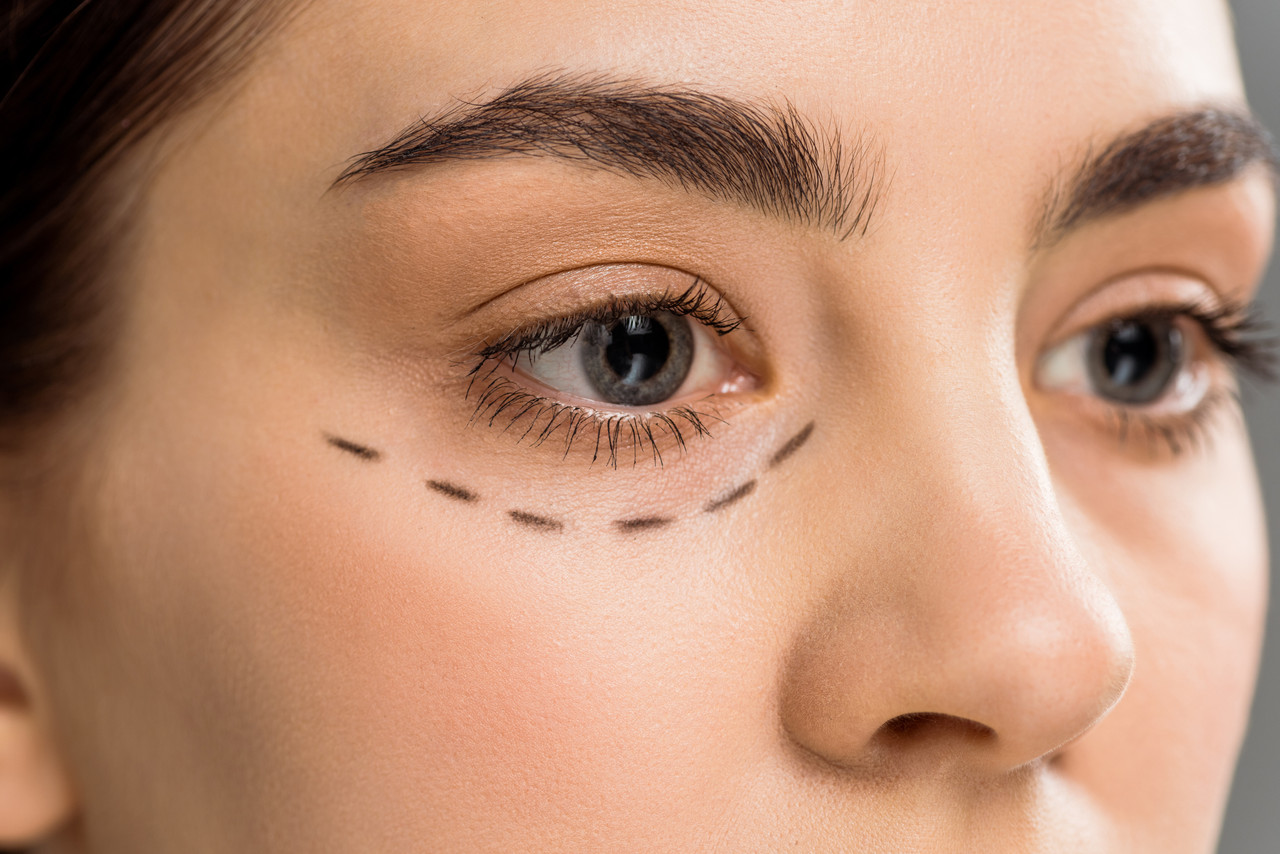
The under-eye area plays an important role in the overall appearance of the face. Its shape, volume, skin texture and transition into the cheeks can influence whether someone looks refreshed, tired or older than they feel. For people considering lower eyelid surgery, understanding how these features are assessed during treatment planning can help them make informed decisions about their aesthetic goals.
Lower Blepharoplasty in London is a procedure that focuses on the lower eyelids, particularly concerns such as prominent under-eye bags, excess skin and changes in the contour beneath the eyes. However, effective planning involves more than simply addressing visible puffiness. The relationship between the lower eyelids, surrounding tissues and upper cheeks must also be considered to develop an approach suited to the individual’s facial anatomy.
At Bodyvie Clinic, patients exploring lower eyelid surgery can discuss their concerns and expectations during a professional consultation. Understanding the underlying reasons for changes in the under-eye area is an important starting point when considering an appropriate treatment approach.
Understanding the Natural Under-Eye Contour
The under-eye contour is formed by several structures working together, including the skin, supporting tissues, fat compartments and the transition between the lower eyelid and cheek. These structures contribute to the shape and smoothness of the area beneath the eyes.
Some people naturally have fuller lower eyelids, while others develop noticeable puffiness or hollows over time. Changes in skin elasticity, facial volume and tissue support can affect how the under-eye area appears as a person ages.
The contour may also differ between the two sides of the face. One lower eyelid might appear fuller, or one side may have a deeper hollow beneath the eye. Such differences are common and are considered when assessing an individual’s facial features.
During a consultation for Lower Eyelid Surgery In London, the surgeon evaluates the under-eye region as part of the wider facial structure. This helps establish whether the primary concern relates to excess fat, loose skin, a hollow beneath the eyelid or a combination of these features.
Why Under-Eye Contours Matter During Surgery Planning
Lower eyelid surgery requires an understanding of how the different features of the under-eye area interact. Treating one visible concern without considering the surrounding contours may not address the patient’s overall aesthetic goals.
For example, a prominent under-eye bag may sit directly above a hollow that creates a noticeable shadow. In this situation, the appearance of puffiness may be influenced by both the fullness of the lower eyelid and the change in contour below it.
Similarly, excess skin may contribute to fine folds, while reduced volume in the upper cheek can make the transition from the eyelid to the cheek appear more pronounced.
Surgical planning therefore considers the overall shape of the area rather than focusing exclusively on removing tissue. The aim is to determine which anatomical features are contributing to the patient’s concerns and whether lower blepharoplasty is suitable for addressing them.
Assessing Under-Eye Bags and Fat Distribution
One of the main reasons people consider lower blepharoplasty is the appearance of under-eye bags. These can develop when the tissues supporting the lower eyelid change, allowing the underlying fat compartments to become more prominent.
However, not every under-eye bag has the same cause. Some people have naturally prominent fat compartments, while others notice changes associated with ageing or alterations in tissue support.
During an assessment, the surgeon examines the location, size and shape of the fullness. They also consider how it relates to the surrounding hollow and the upper cheek.
Depending on the individual’s anatomy, treatment planning may involve repositioning selected fat rather than removing it entirely. In suitable cases, repositioning can help create a smoother transition between the lower eyelid and cheek.
The appropriate technique depends on several factors, including the amount of prominent fat, skin quality, eyelid support and the patient’s desired outcome. The objective is to address the identified concern while maintaining a natural relationship between the different facial features.
Evaluating Hollows Beneath the Eyes
Under-eye hollows can create shadows that make the face appear tired, even when a person feels well rested. These depressions may occur naturally or become more noticeable as facial volume and tissue support change over time.
The tear trough is one area frequently considered during lower eyelid assessment. It refers to the groove that extends from the inner corner of the eye along the junction between the lower eyelid and cheek.
When a prominent fat compartment sits above this groove, the contrast between fullness and hollowing can make the under-eye contour appear uneven.
During surgery planning, the surgeon considers the depth and extent of the hollow, the position of nearby fat compartments and the shape of the cheek. These observations help determine whether lower blepharoplasty alone may address the concern or whether another approach should be discussed.
It is important to recognise that lower eyelid surgery does not automatically correct every form of under-eye hollowing. Where reduced volume is the principal concern, a different treatment strategy may be more appropriate. A personalised assessment helps clarify which features can realistically be addressed through surgery.
Considering Skin Quality and Lower Eyelid Laxity
Skin quality is another important factor when evaluating under-eye contours. The lower eyelid has delicate skin, and changes in elasticity can contribute to fine lines, creasing and loose tissue.
During a consultation, the surgeon assesses the amount of excess skin and how it sits over the underlying structures. They also consider the degree of eyelid laxity and the support provided by the surrounding tissues.
Patients with noticeable skin excess may require a different surgical approach from those whose primary concern is fat prominence with relatively firm skin.
The amount of skin that can be addressed must be considered carefully because the lower eyelid needs to maintain its natural position and function. The planning process therefore focuses on the individual’s anatomy rather than assuming that removing more skin will necessarily produce a better result.
Skin texture and fine lines may also be influenced by factors beyond the amount of excess tissue. Discussing these distinctions helps establish realistic expectations about what surgery is intended to achieve.
Examining the Relationship Between the Lower Eyelids and Cheeks
The lower eyelids cannot be assessed in isolation from the cheeks. The shape of the upper cheek influences the transition beneath the eyes and can affect how prominent bags or hollows appear.
For some patients, the under-eye region appears uneven because the lower eyelid is full. For others, reduced volume in the midface creates a more noticeable depression beneath the eye.
The surgeon considers cheek projection, facial proportions and the position of the eyelid-cheek junction when developing a treatment plan. This broader assessment helps distinguish between concerns that originate mainly in the lower eyelid and those influenced by the surrounding facial structure.
For instance, removing fat from a naturally hollow under-eye area may not be appropriate if the main concern is the contrast between the eyelid and cheek. In such circumstances, the surgeon may discuss whether another approach would better suit the patient’s needs.
Considering these relationships supports a more balanced treatment plan and helps ensure that the intended changes are consistent with the individual’s natural facial features.
Assessing Eyelid Shape and Facial Symmetry
Although the face is not perfectly symmetrical, differences between the two eyes can influence a person’s aesthetic concerns. One lower eyelid may have more visible fullness, while the other may show a deeper groove or a slightly different skin contour.
During the assessment, the surgeon compares both sides of the face and examines the position and shape of the lower eyelids. They may also consider the surrounding muscles, cheek contours and existing differences in tissue support.
These observations help establish an appropriate plan for each side. Identical treatment is not always necessary because the underlying anatomy may differ.
Facial expression and the natural shape of the eyes are also relevant. The intention is to improve the specific concerns identified during consultation while respecting the patient’s existing features.
Discussing symmetry before treatment allows patients to understand that the goal is a more harmonious appearance rather than perfect uniformity between the two sides of the face.
Choosing a Suitable Lower Blepharoplasty Technique
Once the surgeon has assessed the under-eye contour, they can discuss which surgical approach may be appropriate.
One option is a transconjunctival approach, in which the incision is made inside the lower eyelid. This may be considered for suitable patients whose primary concern is prominent fat and who have limited excess skin.
Another option is a transcutaneous approach, which uses an incision close to the lower eyelashes. Depending on the individual’s anatomy, this may allow the surgeon to address selected concerns involving excess skin and underlying tissues.
The choice depends on the patient’s skin quality, fat distribution, eyelid support and overall treatment objectives. No single technique is suitable for everyone.
During a consultation at a Blepharoplasty Clinic in London, patients can discuss the proposed approach, why it may be appropriate for their anatomy and which aspects of their under-eye contour it is intended to address.
A clear explanation of the treatment plan helps patients understand how the procedure relates to their concerns and what changes may reasonably be expected.
Setting Realistic Expectations for Under-Eye Surgery
A key part of treatment planning is establishing realistic expectations. Lower blepharoplasty may improve prominent bags, selected skin excess and certain irregularities in the lower eyelid contour, but the extent of improvement varies between individuals.
The final appearance depends on factors such as the original anatomy, skin characteristics, tissue support and the technique selected. Surgery also does not stop the natural ageing process or address every concern involving pigmentation, fine lines or facial volume.
Patients should discuss their priorities openly during the consultation. Some may be mainly concerned about puffiness, while others want to reduce a noticeable hollow or improve the transition between the lower eyelids and cheeks.
Understanding these differences allows the surgeon to explain which goals are achievable through lower eyelid surgery and whether additional or alternative treatments should be considered.
The most appropriate plan is one that reflects the individual’s facial anatomy, personal preferences and clinical suitability rather than following a standard approach.
What to Discuss During a Lower Blepharoplasty Consultation
Preparing for a consultation can help patients communicate their concerns clearly and understand the proposed treatment.
Useful topics to discuss include:
- The specific under-eye features that cause concern, such as puffiness, loose skin or hollows.
- How the lower eyelid contours relate to the cheeks and the rest of the face.
- Which surgical technique is being considered and why.
- What changes the procedure is expected to achieve.
- Whether the patient’s main concerns are suitable for surgery or may require another approach.
- What recovery and follow-up arrangements to expect.
Patients should also share relevant medical history, previous eye procedures, current medication and any existing eye-related symptoms with their clinician. This information helps inform the assessment and supports appropriate treatment planning.
A consultation is an opportunity to ask questions, understand the proposed approach and decide whether the procedure aligns with personal goals.
Conclusion
Under-eye contours are an important consideration when planning lower blepharoplasty because the appearance of the lower eyelids is influenced by several interconnected features. Fat distribution, skin quality, hollows, eyelid support, cheek volume and facial symmetry can all contribute to the concerns a patient wishes to address.
A detailed assessment helps identify the underlying causes of visible puffiness or uneven contours and guides the selection of an appropriate surgical technique. Rather than focusing solely on removing excess tissue, treatment planning considers the relationship between the lower eyelids and surrounding facial structures.
For individuals exploring Lower Blepharoplasty in London, a personalised consultation provides an opportunity to discuss their concerns, understand suitable treatment options and establish realistic expectations. At Bodyvie Clinic, discussing the individual features of the under-eye area can help patients make a more informed decision about whether lower eyelid surgery is appropriate for their aesthetic goals.
Frequently Asked Questions
1. How are under-eye contours assessed before lower blepharoplasty?
The surgeon examines fat distribution, skin quality, the depth of under-eye hollows, eyelid support and the transition between the lower eyelids and cheeks. This helps identify the features contributing to the patient’s concerns.
2. Can lower blepharoplasty improve under-eye bags?
Lower blepharoplasty can improve prominent under-eye bags in appropriately selected patients. Depending on the anatomy, the procedure may involve removing or repositioning selected fat and addressing other relevant tissue changes.
3. Does lower eyelid surgery correct under-eye hollows?
It may improve some contour irregularities when they are associated with prominent fat above a hollow. However, hollows caused mainly by reduced facial volume may require a different treatment approach. An individual assessment helps determine the most appropriate option.
4. Why are the cheeks considered during lower blepharoplasty planning?
The cheeks influence the transition between the lower eyelids and the midface. Assessing both areas helps the surgeon understand whether the visible contour is primarily related to eyelid fullness, cheek volume or a combination of factors.
5. Is excess skin always removed during lower blepharoplasty?
No. The approach depends on the patient’s anatomy. Some patients mainly have prominent fat with limited skin excess, while others may benefit from addressing loose skin as part of their treatment plan.
6. How is facial asymmetry considered during surgery planning?
The surgeon compares both lower eyelids and evaluates differences in fullness, hollows, skin and tissue support. The plan can then be tailored to the individual’s anatomy, although complete symmetry cannot be guaranteed.
7. How do I know which lower blepharoplasty technique is suitable for me?
Suitability depends on the amount of excess skin, fat distribution, eyelid support and the patient’s treatment goals. A consultation with a qualified surgeon is necessary to assess these factors and discuss the available approaches.
8. What should I expect from a lower blepharoplasty consultation in London?
The consultation generally involves discussing your concerns, reviewing your medical and treatment history, examining the under-eye area and considering suitable options. You can also ask about expected outcomes, recovery arrangements and follow-up care.
9. Can lower blepharoplasty address every under-eye concern?
No. The procedure primarily targets selected structural concerns, such as prominent fat and excess lower eyelid skin. Pigmentation, fine lines and volume loss may have different causes and may not be fully corrected through surgery alone.
10. Why is personalised planning important for lower eyelid surgery?
Every person has a different combination of facial features, tissue characteristics and aesthetic priorities. Personalised planning helps match the surgical approach to the individual’s anatomy and supports realistic expectations about the potential outcome.