
Dupuytren’s Contracture Castor Oil: Natural Ways to Support Hand Mobility
If you’re noticing thickened tissue in your palm or your fingers are becoming harder to straighten, you’re probably looking for safe ways to care for your hands at home. Many people explore dupuytren’s contracture castor oil, gentle stretching, massage, and natural remedies for dupuytren’s contracture as part of their daily routine to help maintain comfort and flexibility.
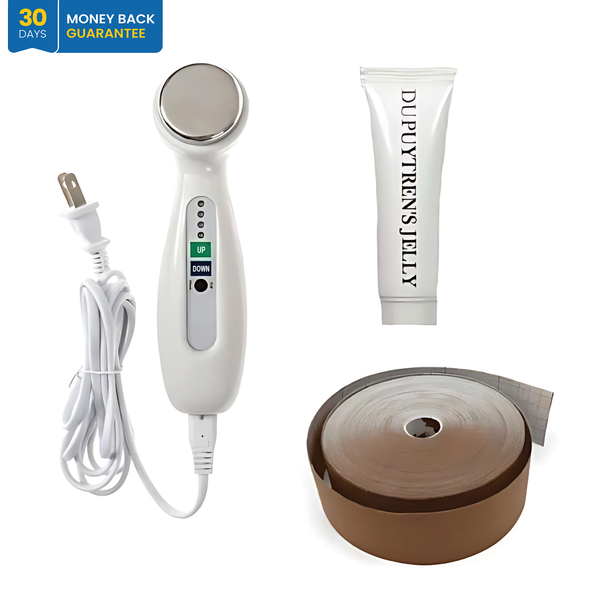
While these methods cannot reverse the condition, they may support hand mobility when used consistently. Along with lifestyle changes and hand exercises, supportive products like Dupuytren’s Wand are designed to complement a daily hand care routine by encouraging gentle stretching and massage.
This guide explains what current knowledge suggests about natural home care options, when they may be useful, and how to use them safely.
What Is Dupuytren’s Contracture?
Dupuytren’s contracture is a condition that affects the connective tissue beneath the skin of the palm. Over time, this tissue can thicken and form cords that gradually pull one or more fingers toward the palm.
Common signs include:
- Small lumps in the palm
- Thick bands beneath the skin
- Difficulty laying the hand flat
- Reduced finger movement
- Trouble gripping larger objects
The condition often develops slowly over several years. Early attention to hand mobility and regular stretching may help people stay active for longer.
Does Dupuytren’s Contracture Castor Oil Really Help?
Many people massage dupuytren’s contracture castor oil into the palm because it works as a rich moisturizer and makes massage easier. Although there is no strong scientific evidence that castor oil can treat or reverse Dupuytren’s contracture, gentle massage with oil may provide temporary comfort and improve skin softness.
Possible benefits include:
- Keeping dry skin moisturized
- Making hand massage smoother
- Supporting a relaxing self-care routine
- Encouraging regular attention to hand flexibility
When applying castor oil, use gentle pressure rather than aggressive massage. If irritation develops, discontinue use and consult a healthcare professional.
Natural Remedies for Dupuytren’s Contracture
Many people combine several conservative approaches instead of relying on a single method.
Gentle Stretching
Regular stretching may help maintain finger mobility. Stretch slowly without forcing the fingers into painful positions.
Simple stretches include:
- Opening the hand fully
- Finger extension exercises
- Tabletop palm stretches
- Thumb mobility exercises
Consistency matters more than intensity.
Warm Compress
Applying gentle warmth before stretching may help loosen stiff tissues. A warm towel for five to ten minutes is often enough before beginning exercises.
Hand Massage
Massage encourages circulation and may help reduce feelings of tightness. Pairing massage with castor oil can make the process more comfortable.
Maintain Everyday Movement
Simple daily activities that keep your fingers moving can support flexibility. Avoid prolonged gripping whenever possible, and take short movement breaks during repetitive work.
Supportive Home Care Tools
Some individuals include products like Dupuytren’s Wand in their daily routine. These tools are intended to support gentle massage and stretching alongside other conservative care practices rather than replace medical treatment.
Are Splints for Dupuytren’s Contracture Helpful?
Many people ask whether splints for dupuytren’s contracture are worth trying.
The answer depends on the stage of the condition and individual circumstances.
A healthcare professional may recommend a splint after certain treatments or surgeries. However, wearing a splint without proper guidance is not always beneficial for everyone.
Potential advantages may include:
- Supporting finger positioning
- Encouraging gentle extension
- Helping maintain movement after treatment in some cases
Because every hand is different, it’s best to seek professional advice before using a splint regularly.
Building a Daily Hand Care Routine
A simple routine is often easier to maintain than an aggressive one.
Try this sequence:
- Warm the hand for five minutes.
- Apply castor oil to the palm.
- Massage gently for several minutes.
- Perform slow stretching exercises.
- Use Dupuytren’s Wand for gentle massage and mobility support if appropriate.
- Repeat daily as tolerated.
Small daily efforts often become more sustainable than occasional intensive sessions.
Lifestyle Habits That May Support Hand Health
Although lifestyle changes cannot cure Dupuytren’s contracture, they may contribute to overall tissue health.
Helpful habits include:
- Staying physically active
- Eating a balanced diet
- Managing blood sugar if you have diabetes
- Avoiding smoking
- Limiting excessive alcohol intake
- Protecting your hands during repetitive work
These habits support overall wellness and may complement a conservative hand care plan.
When Should You See a Healthcare Professional?
Home care is most appropriate for mild symptoms or maintaining flexibility. However, professional evaluation becomes important if:
- Fingers become difficult to straighten
- Everyday activities become challenging
- The contracture progresses rapidly
- Significant pain or swelling develops
- You notice sudden changes in hand function
Early evaluation allows you to discuss all available treatment options before movement becomes severely limited.
Frequently Asked Questions
1. Can castor oil cure Dupuytren’s contracture?
No. There is no scientific evidence that castor oil cures Dupuytren’s contracture. It may simply support massage and moisturize the skin.
2. What are the best natural remedies for Dupuytren’s contracture?
Gentle stretching, hand massage, warm compresses, regular movement, and maintaining overall hand health are commonly used supportive approaches.
3. Do splints for Dupuytren’s contracture work?
Splints may help certain individuals, particularly in specific clinical situations, but they are not appropriate for everyone. Professional guidance is recommended.
4. How often should I stretch my fingers?
Many hand specialists recommend gentle stretching once or twice daily without causing pain. Stop if exercises increase discomfort.
5. Is Dupuytren’s Wand a replacement for medical treatment?
No. Dupuytren’s Wand is intended to support a home hand care routine and should not replace evaluation or treatment recommended by a qualified healthcare professional.
6. Can lifestyle changes slow progression?
Healthy habits support overall hand health, but no lifestyle change has been proven to stop the progression of Dupuytren’s contracture.