
Comprehensive Guide to Understanding Essential dental burs names for Dental Professionals
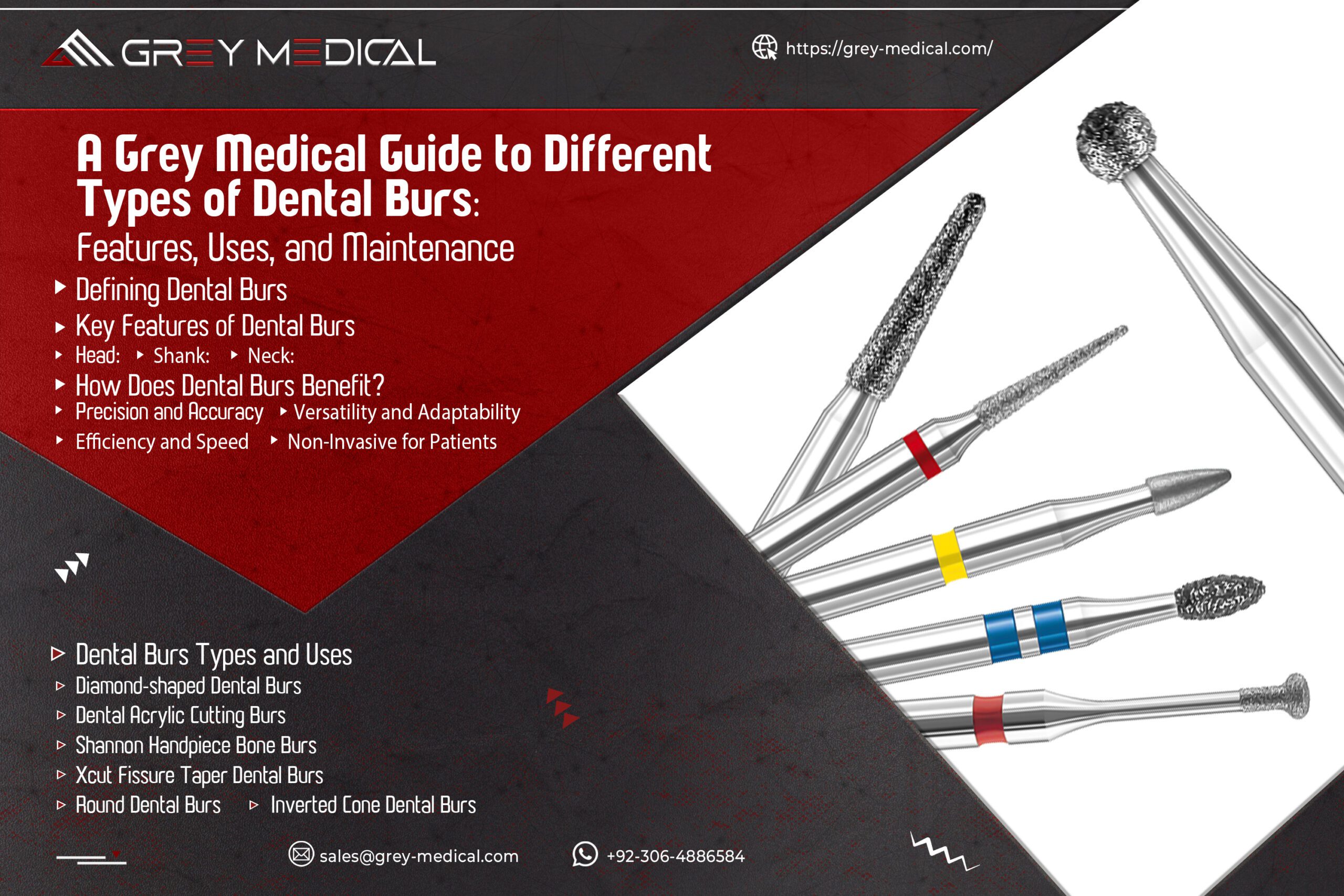
Dental procedures require absolute precision, efficiency, and safety, all of which depend heavily on selecting the correct rotary instruments. Medical practitioners and dental technicians must familiarize themselves with standard dental burs names to streamline clinical workflows and improve surgical accuracy. Knowing the specific terminology associated with each bur shape, grit, and head design allows clinicians to select the ideal tool for cavity preparation, crown cutting, or tissue shaping without delay.
Exploring Common Carbide and Diamond dental burs names
Among the vast array of rotary tools used in dentistry, carbide and diamond varieties remain the most widespread across operative and cosmetic procedures. Learning the primary dental burs names—such as round, inverted cone, straight fissure, and pear-shaped burs—helps practitioners quickly match the instrument to its intended function. Carbide burs are typically used for swift, clean excavation of infected dentin, while diamond burs excel at smooth enamel reduction and fine ceramic adjustment.
Classification and Application of Round and Fissure dental burs names
Round burs are essential for initial tooth entry, deep decay removal, and creating retention grooves, making them foundational tools in restorative dentistry. Fissure burs, including cross-cut and tapered designs, are specifically crafted to shape preparation walls, clear sharp angles, and divide multi-rooted adson with teeth forceps during extractions. Understanding these standard dental burs names ensures that surgical teams maintain uniform inventory practices and maintain effortless communication during intricate procedures.
Specialty Surgical and Finishing dental burs names
Beyond standard excavation, specialized clinical tasks require custom-engineered head geometries, such as flame, football, and needle-shaped burs. These specialized dental burs names denote instruments designated for delicate aesthetic polishing, occlusal adjustments, and interproximal contoured shaping. Utilizing high-grade surgical-quality steel and precise grit alignments guarantees consistent performance and minimizes vibration during high-speed operative work.
Maintenance and Longevity of High-Grade Dental Rotary Instruments
To ensure that dental rotary tools retain their sharp cutting edges and operational integrity, proper cleaning, sterilization, and storage protocols are vital. Repeated exposure to high-pressure autoclaving demands robust construction and corrosion-resistant alloys. By maintaining a organized rotation system based on clear instrument labeling, clinical practices protect their investment in premium diagnostic and surgical tools while ensuring optimal patient care.
Conclusion
Selecting high-performance rotary instruments is vital for achieving optimal clinical outcomes, minimizing patient discomfort, and streamlining operative workflows. Mastering standard instrument terminology and head configurations enables dental practices to maintain superior surgical standards and efficient inventory management. Investing in superior, precision-engineered tools ultimately ensures maximum durability, sharp cutting efficiency, and trusted safety for every clinical application.