
Breast Augmentation Dubai: How Is Breast Size Selected During Consultation?
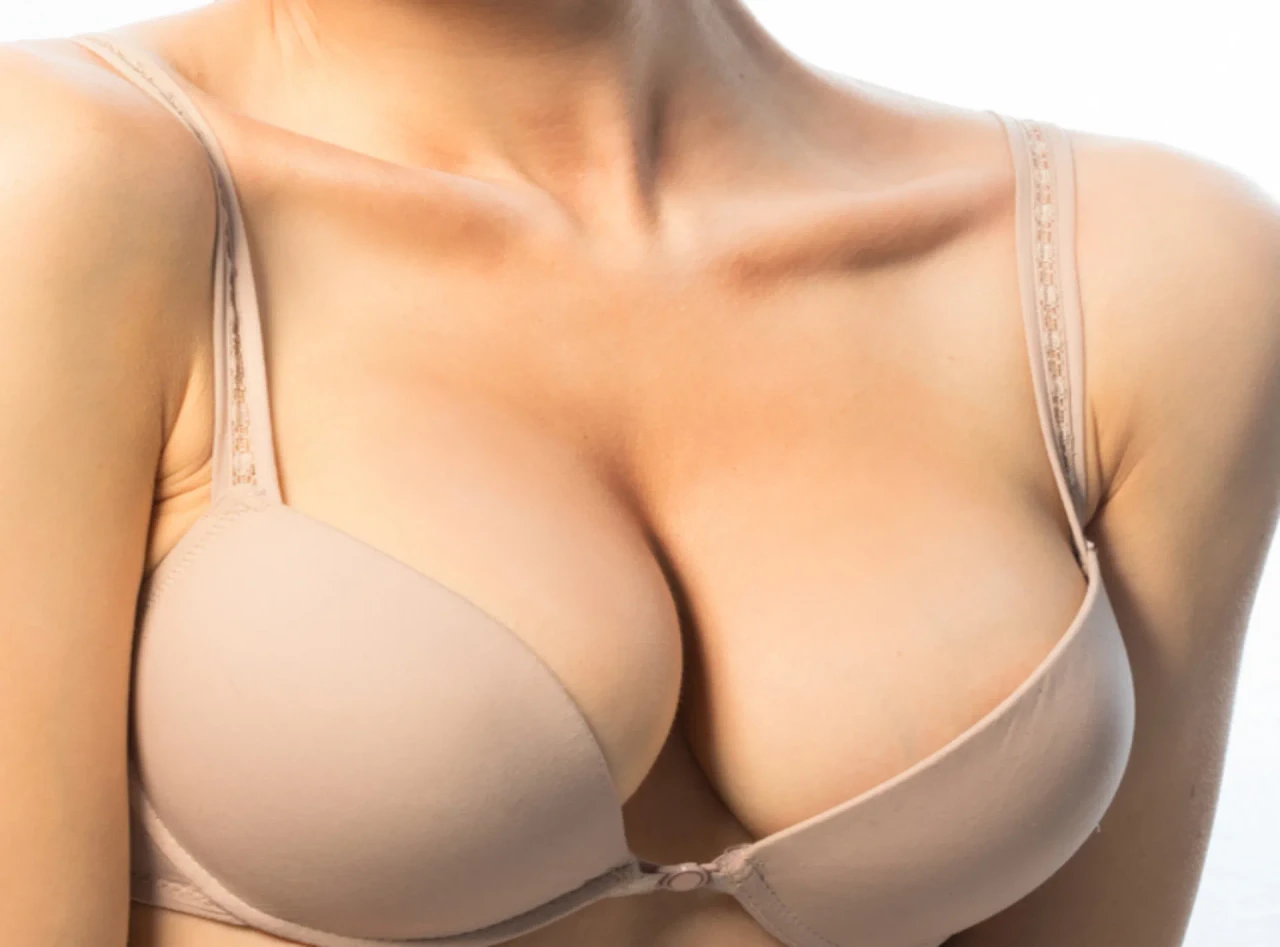
Choosing a breast size is one of the most important parts of planning breast augmentation. Many patients arrive at their consultation with a general idea of wanting a fuller or more proportionate appearance, but selecting an appropriate size involves more than simply choosing a cup size. The surgeon considers the patient’s existing breast tissue, chest dimensions, body proportions, skin characteristics, lifestyle preferences, and desired appearance before discussing suitable implant options.
During a consultation for Breast Augmentation Dubai, the goal is to establish a clear understanding between the patient and surgeon about the desired outcome. Measurements and clinical assessment can help determine which implant dimensions may complement the patient’s natural anatomy. The discussion can also include implant profile, shape, projection, and placement, allowing the treatment plan to be tailored to the individual.
For patients researching treatment options, understanding how breast size is selected can make the consultation more productive. It also helps explain why the same implant size may produce different results on different body types.
Understanding the Patient’s Desired Breast Size
The consultation usually begins with a discussion about what the patient wants to achieve. Some patients may want a subtle increase in fullness, while others may prefer a more noticeable change. The surgeon may ask about previous breast size, changes after pregnancy or weight fluctuations, preferred clothing fit, and the overall appearance the patient hopes to achieve.
Rather than relying exclusively on a specific cup size, the discussion focuses on the relationship between the breasts and the rest of the body. Cup sizes can vary between manufacturers and bra styles, so they are not always a precise method for selecting an implant.
Patients can describe their preferences using photographs, clothing references, or examples of proportions they like. These references can help the surgeon understand the desired direction while still allowing the final implant selection to be based on individual anatomy.
How Body Proportions Influence Implant Selection
Body proportions are an important consideration when selecting breast size. The width of the chest, shoulder structure, waist, hips, and existing breast dimensions can all influence how additional volume appears.
A particular implant volume may look different on a patient with a narrow chest compared with someone who has a broader chest. For this reason, implant selection is not simply a matter of choosing the largest or smallest available volume.
The surgeon may assess the breast footprint and chest width to determine how much implant width can be accommodated while maintaining balanced proportions. The aim is to select an option that corresponds appropriately with the patient’s anatomy and desired appearance.
Why Breast Measurements Are Taken During Consultation
Physical measurements provide useful information for planning. The surgeon may measure breast width, breast height, the distance between the breasts, the position of the breast fold, and other anatomical dimensions.
These measurements help establish the available space for an implant and provide a more objective basis for discussing different sizes. Existing breast tissue is also assessed because it contributes to the final breast shape and influences how an implant may appear.
Measurements can therefore help narrow the range of suitable implant dimensions. They do not replace the patient’s preferences, but they provide important anatomical information that supports the decision-making process.
Implant Volume Is Not the Only Consideration
Patients often associate implant selection with volume measured in cubic centimetres, commonly written as cc. However, two implants with a similar volume can have different widths and projections.
For example, an implant with a wider base may distribute its volume differently from an implant with a narrower base and greater projection. This means that choosing an implant based only on the number of cc may not accurately represent the final appearance.
During a consultation, the surgeon may therefore discuss several characteristics together, including implant volume, width, profile, shape, and projection. The combination of these features is considered in relation to the patient’s anatomy.
How Existing Breast Tissue Affects Size Selection
The amount and distribution of natural breast tissue can influence the implant options discussed during consultation. Patients with more existing tissue may have different considerations from patients with a smaller amount of natural breast volume.
The surgeon evaluates the breast envelope and the amount of tissue available to provide coverage over the implant. The existing shape and position of the breasts are also considered when developing an individual treatment plan.
This assessment helps the surgeon explain how different implant dimensions may interact with the patient’s natural breast structure.
Discussing Implant Profile and Projection
Implant profile refers broadly to how an implant projects forward from its base. Profile can affect the visual appearance of breast fullness even when implant volume is similar.
A patient who wants more forward projection may discuss options with the surgeon that provide a different projection compared with a wider, less projecting implant. The appropriate choice depends on the patient’s chest dimensions and desired result.
This is why an effective consultation considers more than a single measurement. The surgeon combines anatomical assessment with the patient’s preferences to identify suitable possibilities.
Using Sizing Methods During Consultation
Different sizing methods may be used to help patients visualise potential breast sizes. Depending on the clinic and surgeon, these may include external sizers, trial implants placed inside a bra, photographs, measurements, or digital planning tools.
External sizers can provide a practical way for patients to compare different volumes under clothing. They can also help patients understand the difference between a more conservative increase and a more substantial change.
Photographs may also support communication, although they are not an exact prediction of an individual result. Each person has different anatomy, tissue characteristics, and proportions.
The purpose of sizing exercises is to improve communication rather than promise an identical appearance.
How Lifestyle Preferences Can Be Discussed
Breast size selection can also involve lifestyle considerations. Patients may have preferences based on clothing, exercise, work requirements, or personal comfort.
Someone who regularly participates in physical activities may have different preferences from someone primarily focused on achieving greater visual fullness. The consultation provides an opportunity to discuss these practical considerations alongside aesthetic goals.
Patients should communicate their everyday preferences openly. This allows the surgeon to consider how the planned breast size fits into the patient’s lifestyle rather than focusing only on measurements.
Considering Natural-Looking Proportions
Some patients want their breast augmentation to produce a noticeable increase while maintaining proportions that appear consistent with their body. Others may prefer a fuller appearance.
There is no single breast size that is appropriate for every patient. The concept of proportion is individual because body structure varies considerably.
The surgeon can explain how different implant dimensions may affect the relationship between breast width, projection, and the surrounding chest and torso. This discussion helps patients understand why a selected implant is being considered for their particular anatomy.
Why Cup Size Alone Is Not Used to Select an Implant
Cup size can be useful when describing a general preference, but it is not a precise surgical measurement. Bra sizing differs between brands, styles, and manufacturers, and the same breast volume can fit differently depending on the bra design.
For this reason, surgeons generally consider anatomical measurements and implant dimensions rather than promising a specific cup size.
Patients can still mention their preferred clothing or bra size during consultation. It simply forms part of a wider conversation rather than serving as the only factor in implant selection.
Discussing Symmetry Before Selecting Breast Size
Breast asymmetry is common, and many patients have some difference in breast volume, position, or shape before augmentation. During consultation, the surgeon may assess these differences when discussing implant selection.
If the breasts differ in size or shape, the planning process may involve considering different implant dimensions or other adjustments. The specific approach depends on the individual assessment.
Discussing asymmetry before surgery allows patients to understand how existing differences may influence the treatment plan and expected appearance.
How the Consultation Creates an Individualised Plan
Once the surgeon understands the patient’s goals and completes the anatomical assessment, the information can be combined into an individualised plan.
This process may include:
- Reviewing the patient’s preferred breast appearance
- Taking measurements of the chest and breasts
- Assessing existing breast tissue
- Discussing implant volume and dimensions
- Comparing different profiles and projections
- Considering body proportions
- Reviewing sizing options
- Discussing lifestyle preferences
- Addressing pre-existing asymmetry
- Establishing realistic expectations
The final discussion should give the patient a clearer understanding of why particular implant options are being considered.
Understanding Breast Augmentation Cost in Dubai
Patients researching Breast Augmentation Cost in Dubai may find that pricing can vary depending on the treatment plan and the services included. Factors may include the surgeon’s professional fees, implant selection, facility charges, anaesthesia, consultations, and other elements associated with the procedure.
Cost should therefore be discussed directly with the clinic after an individual assessment. The selected implant and treatment plan may also influence the overall quotation.
For patients considering treatment at Cornerstone, discussing both the desired breast size and the associated treatment details during consultation can provide a clearer understanding of the planned procedure and its costs.
Why Patient-Surgeon Communication Matters
Selecting breast size is a collaborative process. Patients know their personal preferences, while the surgeon contributes anatomical and clinical expertise.
Clear communication helps connect these two perspectives. Instead of simply requesting a particular implant volume, patients can explain what they want their overall appearance to look like. The surgeon can then discuss which dimensions may be compatible with their anatomy.
Bringing reference photographs, discussing preferred levels of fullness, and being open about lifestyle preferences can make the consultation more informative.
Preparing for a Breast Augmentation Consultation
Patients can prepare by thinking about what they want to change and what they want to maintain. It can be useful to consider whether the preferred appearance is subtle, moderate, or more pronounced.
Patients may also bring photographs showing general aesthetic preferences. These images should be viewed as communication tools rather than exact templates.
A list of questions can also help ensure that important subjects are discussed. Patients may ask about implant dimensions, profile, placement, sizing methods, expected proportions, and the factors that influence the final recommendation.
Conclusion
Selecting breast size during a Breast Augmentation Dubai consultation involves much more than choosing a number of cubic centimetres or a particular bra cup size. The surgeon considers chest dimensions, existing breast tissue, body proportions, implant width, projection, profile, symmetry, and the patient’s personal goals.
Sizing tools and visual references can help patients communicate their preferences, while anatomical measurements provide a foundation for developing an individualised treatment plan. Lifestyle considerations and clothing preferences can also form part of the discussion.
For patients exploring breast augmentation at Cornerstone, a detailed consultation provides an opportunity to understand how different implant options relate to their anatomy and desired appearance. Discussing Breast Augmentation Cost in Dubai alongside the treatment plan can also help patients understand the financial aspects of their chosen procedure.
FAQs
How is breast size selected during a breast augmentation consultation?
Breast size is selected by combining the patient’s aesthetic goals with anatomical measurements, existing breast tissue, chest dimensions, body proportions, implant characteristics, and lifestyle preferences.
Is breast implant size chosen only by volume?
No. Implant volume is one consideration, but width, profile, projection, and shape can also influence how an implant fits the patient’s anatomy and contributes to the overall appearance.
Can I request a specific cup size?
You can discuss your preferred cup size, but cup sizes are not standardised across all bra brands. Surgeons generally use anatomical measurements and implant dimensions as more precise planning references.
Can I bring photographs to my consultation?
Yes. Reference photographs can help communicate the type of breast appearance you prefer. However, they are not an exact prediction because every patient has different anatomy.
Does body shape affect breast implant selection?
Yes. Chest width, shoulder structure, torso proportions, breast dimensions, and existing tissue can all influence which implant dimensions may be appropriate.
Are breast measurements taken before selecting an implant?
Measurements are commonly part of the consultation process. They can help the surgeon evaluate breast width, available tissue, breast position, and other anatomical factors relevant to implant selection.
Can two implants with the same volume look different?
Yes. Implants with similar volumes can have different widths and projections. Their appearance can therefore vary depending on their dimensions and the patient’s anatomy.
How does existing breast tissue affect implant selection?
Existing tissue contributes to the breast’s overall volume and shape. The surgeon considers its amount and distribution when discussing suitable implant dimensions and the planned breast appearance.
Are breast sizers used during consultation?
Some clinics use external sizers or other visualisation methods to help patients compare different volumes. The specific sizing method depends on the surgeon and clinic.
Does lifestyle influence breast size selection?
Lifestyle can be part of the discussion. Exercise habits, clothing preferences, professional activities, and personal comfort may all help patients and surgeons determine a suitable approach.
How is breast asymmetry considered?
The surgeon assesses differences in breast size, position, or shape during the consultation. Existing asymmetry can be considered when selecting implant dimensions and developing the overall treatment plan.
How can I prepare for a breast augmentation consultation?
Think about your preferred appearance, bring useful reference photographs if you have them, and prepare questions about implant dimensions, sizing, placement, treatment planning, and Breast Augmentation Cost in Dubai.
Why is consultation important for choosing breast size?
A consultation allows the surgeon to combine your preferences with an assessment of your individual anatomy. This helps create a treatment plan based on your specific proportions rather than relying only on a general implant size or cup size.