
Abdominoplasty Dubai: How Do Abdominal Proportions Influence Treatment Planning?
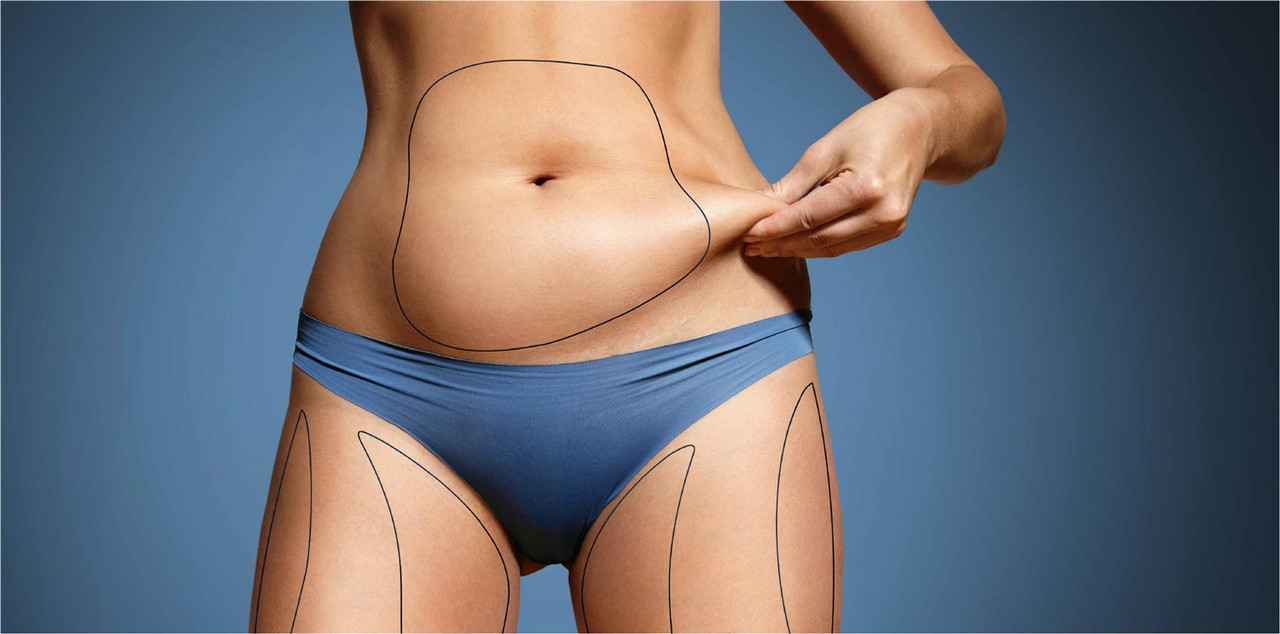
Abdominal contour is not determined by one feature alone. The amount of excess skin, distribution of fatty tissue, position of the belly button, abdominal muscle structure, waistline, hips, and overall body proportions can all influence how the abdomen is assessed before surgery. For this reason, Abdominoplasty Dubai is generally planned around the individual patient’s anatomy rather than following one standard approach.
An abdominoplasty, commonly called a tummy tuck, is designed to address excess abdominal skin and fat and, when appropriate, weakened or separated abdominal muscles. The American Society of Plastic Surgeons notes that the amount and location of excess skin, body type, skin quality, abdominal fat distribution, and previous surgery can all influence the selection of a tummy tuck approach.
Dr. Shahram Sajjadi approaches abdominoplasty as an individualised procedure, with different techniques selected according to the patient’s anatomy and treatment objectives. His Dubai practice describes options that can include traditional, mini, and extended approaches depending on the extent and location of the abdominal concerns.
Understanding how abdominal proportions influence treatment planning can help patients prepare for their consultation and understand why the recommended procedure may differ from that of another patient.
Why Are Abdominal Proportions Important?
The abdomen forms part of the body’s central contour. Its appearance is influenced not only by the amount of loose skin but also by the relationship between the waist, hips, upper abdomen, lower abdomen, and torso.
Two patients can have similar amounts of excess skin but require different surgical approaches because the distribution of that tissue may be different. One patient may have most of the loose skin below the belly button, while another may have laxity extending across the upper and lower abdomen.
The surgeon therefore needs to evaluate the abdomen as a whole. The objective is to understand how the different anatomical areas relate to one another and determine which surgical approach corresponds with the patient’s individual requirements.
Dr. Shahram Sajjadi’s published information emphasises that abdominoplasty techniques can be tailored to the patient’s wishes and needs.
How Is Overall Abdominal Shape Evaluated?
During an abdominoplasty consultation, the surgeon can examine the abdomen from the front and side to understand its overall shape.
Important considerations may include:
- The amount of excess skin
- The distribution of fatty tissue
- Skin laxity above and below the navel
- Abdominal wall structure
- Waist definition
- Position and appearance of the belly button
- Existing surgical scars
- The relationship between the abdomen and hips
- Overall body proportions
This assessment helps determine which areas require attention and how they should be addressed as part of the surgical plan.
A tummy tuck is therefore not simply a procedure for removing a predetermined amount of skin. The amount and location of tissue that can be addressed depend on the patient’s anatomy and the selected technique. ASPS similarly notes that the shape and length of the incision are influenced by the amount of excess skin.
How Does Waist Proportion Influence Treatment Planning?
The waist is an important part of abdominal contour. Its relationship with the abdomen and hips can influence how the overall body shape is perceived.
When assessing Abdominoplasty Dubai, the surgeon may consider whether the patient’s concern is concentrated in the central abdomen or whether the contour extends toward the sides.
If excess skin extends beyond the central abdomen, a more extensive approach may be considered. Conversely, if the concern is more localised to the lower abdomen, a less extensive procedure may be appropriate depending on the patient’s anatomy.
This is one reason why the same abdominoplasty technique is not necessarily suitable for every patient. The surgeon needs to consider the width and distribution of the tissue being treated as well as the patient’s desired contour.
How Does Excess Skin Distribution Affect the Surgical Plan?
The location of excess skin is one of the most important factors in choosing an abdominoplasty approach.
Some patients have loose skin concentrated below the belly button. Others have laxity involving both the upper and lower abdomen. Some may have excess tissue extending around the sides of the torso.
A full abdominoplasty can address a larger area of the abdomen, while a mini abdominoplasty is generally focused more on the lower abdominal region. An extended approach may be considered when excess tissue extends farther toward the flanks.
Dr. Shahram Sajjadi’s published guidance explains that patients with more limited excess skin below the navel may be considered for a mini tummy tuck, while greater skin laxity around the sides and back may lead to consideration of extended or 360-degree approaches.
How Does the Upper and Lower Abdomen Affect Planning?
The abdomen can be divided broadly into the area above the belly button and the area below it when considering skin distribution.
A patient may have considerable loose skin in the lower abdomen but relatively good skin quality above the navel. Another patient may have laxity extending across a larger portion of the abdominal area.
The surgeon evaluates these differences when determining the extent of treatment.
For a traditional full tummy tuck, abdominal skin can be repositioned after excess tissue is removed, and the belly button may be repositioned through a new opening. The American Society of Plastic Surgeons describes this as part of the standard full tummy tuck process.
The exact approach depends on the patient’s anatomy and the procedure selected during consultation.
How Does the Belly Button Influence Abdominoplasty Planning?
The belly button is an important visual landmark in abdominal proportions. Its position can influence the appearance of the entire abdomen.
When the abdominal skin is repositioned during a full abdominoplasty, the surgeon needs to consider the position, shape, and relationship of the navel with the surrounding abdominal contour.
A natural-looking abdominal contour therefore involves more than removing excess skin. The position of the belly button needs to remain appropriately integrated with the newly shaped abdomen.
The surgical plan may consequently take the patient’s existing navel position and abdominal dimensions into account before the procedure is performed.
How Does Abdominal Muscle Structure Influence Treatment Planning?
The appearance of the abdomen is also influenced by the underlying abdominal wall.
Some patients may have weakened or separated abdominal muscles following pregnancy, significant weight changes, or other changes to the abdominal wall. During consultation, the surgeon can assess the abdominal wall to determine whether muscle repair should form part of the treatment plan.
The American Society of Plastic Surgeons describes abdominoplasty as a procedure that can remove excess skin and fat while restoring weakened or separated abdominal muscles when appropriate.
Dr. Shahram Sajjadi’s Dubai abdominoplasty information similarly explains that abdominal muscles may be tightened depending on the patient’s individual needs.
This assessment is important because two patients with a similar amount of excess skin may have different underlying abdominal structures.
How Does Body Type Influence Abdominal Proportions?
Body type is another factor considered during treatment planning. Abdominal proportions can differ according to torso length, waist width, hip structure, and the distribution of soft tissue.
The surgeon may assess the abdomen in relation to the patient’s overall body rather than treating it as an isolated area.
This helps establish how much contouring is appropriate for the patient’s natural proportions. A treatment plan should take the patient’s body structure into account rather than attempting to reproduce an identical abdominal shape across different individuals.
ASPS notes that body type and skin quality can influence which tummy tuck approach is appropriate.
How Does Fat Distribution Affect Planning?
Fat distribution is another consideration during abdominal assessment.
Some patients have excess fat concentrated around the lower abdomen, while others have a broader distribution involving the upper abdomen and sides. The surgeon can assess where the fatty tissue is located and determine how it relates to the excess skin.
Abdominoplasty primarily addresses the abdominal contour through treatment of excess skin and, where appropriate, fat and abdominal wall structures. It is not intended to function as a general weight-loss procedure.
This distinction is important when discussing treatment goals. The surgeon can determine whether abdominoplasty corresponds with the patient’s specific anatomical concerns.
How Do Previous Surgeries Affect Abdominal Proportions?
Previous abdominal surgery can change the existing anatomy and may influence the surgical plan.
Patients may have scars from procedures such as caesarean sections, appendectomy, hernia surgery, or previous abdominal operations. The location and characteristics of these scars can be considered during the physical assessment.
The surgeon may evaluate how previous incisions relate to the current abdominal skin and determine how they should be incorporated into the overall surgical plan.
ASPS identifies previous surgery and existing scars as factors that may need to be considered when planning tummy tuck surgery.
Patients should therefore provide a complete history of previous abdominal procedures during consultation.
How Does Pregnancy Influence Abdominal Proportions?
Pregnancy can alter abdominal skin, soft tissue, and the abdominal wall. Some women may experience stretching of the skin or separation of the abdominal muscles following pregnancy.
These changes can influence the proportions of the upper and lower abdomen and may affect which areas require attention.
During consultation, the surgeon can discuss changes that occurred during pregnancy and assess the current abdominal anatomy.
This information helps distinguish between concerns involving excess skin, abdominal wall structure, fat distribution, or a combination of factors.
How Is a Mini Abdominoplasty Different From a Full Approach?
The extent of abdominal proportions being addressed is one factor that can influence whether a mini or full abdominoplasty is considered.
A mini tummy tuck generally concentrates on the lower abdomen, particularly when excess skin is limited to the area below the navel. A full abdominoplasty addresses a broader abdominal area and may include repositioning the belly button.
Dr. Shahram Sajjadi’s guidance explains that patients with limited lower-abdominal excess may be suitable for a mini approach, whereas more extensive skin laxity can require a full or extended approach.
The final decision should be based on an in-person examination rather than on the amount of skin alone.
How Does the Waist-to-Abdomen Relationship Influence Contouring?
The relationship between the abdomen and waist can be particularly important when discussing body contour.
A surgeon may evaluate how the central abdomen transitions into the sides of the torso and hips. If excess tissue extends toward the flanks, the treatment area may need to account for this wider distribution.
This does not mean every patient needs an extended procedure. Instead, the assessment helps determine whether the patient’s concerns are centralised or extend beyond the front of the abdomen.
The aim is to create a treatment plan that considers the complete area being addressed.
How Are Individual Treatment Goals Incorporated?
Anatomical assessment is only one part of consultation. The patient’s goals are also important.
A patient may want to focus primarily on loose lower-abdominal skin, while another may be more concerned about the overall contour following substantial weight loss or pregnancy.
During consultation with Dr. Shahram Sajjadi, patients can explain which aspects of their abdomen they would like to change. These preferences can then be considered alongside the physical examination.
ASPS recommends discussing surgical goals and expectations during a tummy tuck consultation, alongside previous surgeries and relevant medical information.
This conversation helps establish what the patient hopes to achieve and which treatment approach may correspond with those objectives.
How Is the Final Abdominoplasty Plan Developed?
After evaluating the abdomen, the surgeon can bring together the different anatomical findings to create an individualised treatment plan.
The plan may take into account:
- Abdominal skin laxity
- Skin quality
- Upper and lower abdominal proportions
- Fat distribution
- Abdominal muscle structure
- Belly button position
- Waist and flank contour
- Previous surgical scars
- Overall body proportions
- Patient preferences
This comprehensive approach helps explain why an abdominoplasty plan cannot be determined accurately from photographs or general descriptions alone.
Dr. Shahram Sajjadi’s published information emphasises individualised treatment and selection of different abdominoplasty techniques according to the patient’s specific requirements.
What Should Patients Discuss During Consultation?
Patients considering Best abdominoplasty Dubai can prepare for consultation by making a list of the areas that concern them most.
They may wish to discuss:
- The amount and location of loose skin
- Upper versus lower abdominal concerns
- Waist definition
- Belly button appearance
- Abdominal muscle separation
- Previous abdominal surgery
- Changes following pregnancy
- Changes following weight loss
- Whether a mini or full abdominoplasty may be appropriate
- Whether treatment should extend toward the sides
- Their desired abdominal contour
- The expected Best abdominoplasty Dubai treatment plan
Being specific about personal goals gives the surgeon useful information while the physical examination establishes which anatomical factors need to be addressed.
Understanding Best Abdominoplasty Dubai
The term Best abdominoplasty Dubai is often used when researching tummy tuck surgery, but the appropriate procedure depends on individual anatomy and treatment objectives.
There is no single abdominoplasty approach that suits every patient. The best approach for an individual patient is determined through assessment of factors such as skin distribution, abdominal wall structure, body proportions, and the extent of the area requiring treatment.
Dr. Shahram Sajjadi’s published information describes an individualised approach in which different abdominoplasty techniques can be selected according to patient requirements.
Therefore, consultation is an important step in determining which approach corresponds with the patient’s abdominal proportions.
Conclusion
Abdominal proportions play an important role in planning Abdominoplasty Dubai because the abdomen is made up of several interconnected anatomical areas. Excess skin, fat distribution, abdominal muscle structure, waist width, belly button position, previous scars, and overall body proportions can all influence the recommended surgical approach.
A patient with limited lower-abdominal skin may require a different approach from someone with extensive laxity across the upper and lower abdomen or toward the sides. Similarly, the presence of abdominal wall changes may influence whether muscle repair forms part of the treatment plan.
For patients exploring Best abdominoplasty Dubai, consultation with Dr. Shahram Sajjadi provides an opportunity to discuss personal goals while evaluating the abdomen as a complete anatomical unit. A personalised assessment allows the treatment plan to be based on the patient’s proportions rather than a standard procedure.
Frequently Asked Questions
What are abdominal proportions in abdominoplasty?
Abdominal proportions refer to the relationship between areas such as the upper and lower abdomen, waist, hips, belly button, and overall torso. These relationships can influence how the surgical plan is developed.
Why are abdominal proportions important before Abdominoplasty Dubai?
They help the surgeon understand where excess skin and tissue are located and how the abdomen relates to the patient’s overall body shape. This information can influence the type and extent of abdominoplasty selected.
Does abdominal skin distribution affect the type of tummy tuck?
Yes. Excess skin concentrated below the belly button may be addressed differently from skin laxity extending across the upper abdomen or toward the sides.
How does the belly button influence abdominoplasty planning?
The belly button is an important anatomical reference point. During a full abdominoplasty, its position and relationship with the newly contoured abdomen are considered as part of the surgical plan.
Does muscle separation affect treatment planning?
It can. If the abdominal wall has weakened or separated, the surgeon may consider muscle repair as part of the abdominoplasty procedure.
Is a mini tummy tuck suitable for everyone?
No. A mini tummy tuck is generally focused on patients whose concerns are more limited to the lower abdomen. The appropriate approach can only be determined after an individual anatomical assessment.
How does body type affect abdominoplasty planning?
Body type, waist structure, torso proportions, skin quality, and the distribution of excess tissue can all contribute to determining which approach is appropriate.
Can pregnancy affect abdominal proportions?
Yes. Pregnancy can change abdominal skin and the abdominal wall, which may affect the distribution of laxity and the overall shape of the abdomen.
Does previous abdominal surgery matter?
Yes. Previous abdominal procedures and scars can be considered during consultation because they may affect the existing anatomy and how the procedure is planned.
Is abdominoplasty a weight-loss procedure?
No. Abdominoplasty is primarily a body-contouring procedure designed to address excess skin and, where appropriate, abdominal fat and weakened or separated abdominal muscles. It is not a substitute for weight management.
What does Best abdominoplasty Dubai mean?
Best abdominoplasty Dubai generally refers to patients researching suitable tummy tuck treatment in Dubai. The appropriate technique depends on the individual’s abdominal anatomy, proportions, treatment goals, and the surgeon’s assessment.
What should I discuss with Dr. Shahram Sajjadi during an abdominoplasty consultation?
Patients can discuss their abdominal concerns, desired contour, previous surgeries, pregnancy or weight-loss changes, areas of excess skin, abdominal muscle concerns, and the type of procedure being considered. A consultation also provides an opportunity to discuss the treatment plan in detail.