
Doyen Instrument: Uses, Features, and Importance in Modern Surgical Procedures
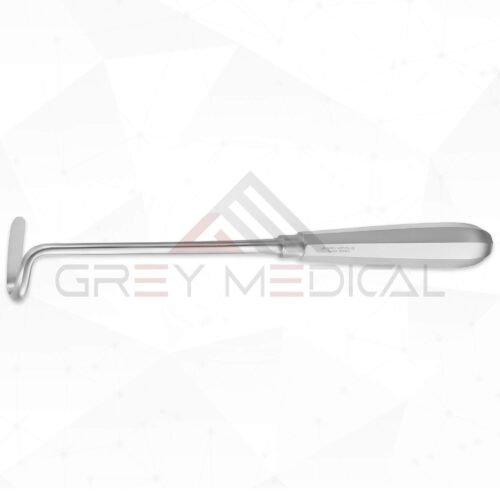
Surgical procedures require precision, reliability, and the right instruments to achieve effective results. Every surgical tool serves a specific purpose, helping medical professionals perform procedures with greater control and accuracy. Among the various instruments used in surgical settings, the doyen instrument holds an important place because of its specialized design and practical applications. Medical professionals value well-designed instruments that support efficient handling, improve visibility, and help maintain a smooth surgical workflow.
Understanding the design, applications, and benefits of this instrument can help healthcare professionals, medical students, and surgical instrument buyers make informed decisions. Moreover, selecting high-quality surgical tools contributes to better preparation and organization in the operating room.
What Is a Doyen Instrument?
A doyen instrument refers to a specialized surgical instrument associated with the Doyen family of instruments. The name is commonly used for different surgical designs, including Doyen retractors and Doyen intestinal clamps. Each variation serves a particular purpose in surgical practice.
For example, a Doyen intestinal clamp helps surgeons temporarily occlude or control sections of the intestine during specific procedures. Its design supports controlled handling while helping protect delicate intestinal tissues. Similarly, Doyen retractors assist surgeons by holding back tissues and improving access to the operative area.
Although these instruments have different functions, they share an important goal: supporting precision and control during surgical procedures. Therefore, healthcare professionals should understand the specific instrument type before selecting or using it.
Common Types of Doyen Surgical Instruments
Doyen instruments come in different designs to meet the requirements of various surgical procedures. Each type offers particular features that support specific clinical applications.
1. Doyen Intestinal Clamp
Surgeons use Doyen intestinal clamps to temporarily control intestinal contents during selected abdominal procedures. Their design helps provide controlled occlusion while minimizing unnecessary pressure on delicate tissues.
2. Doyen Retractor
A Doyen retractor helps maintain access to the surgical site by holding tissues away from the operative field. Consequently, surgeons can improve visibility and work more comfortably during certain procedures.
3. Specialized Doyen Variations
Different surgical specialties may require variations in instrument size, shape, and working design. These differences allow medical professionals to select instruments according to the procedure and anatomical requirements.
Before purchasing any variation, buyers should confirm its intended application, dimensions, material, and manufacturing specifications.
Key Features of a Quality Doyen Instrument
The quality of a surgical instrument directly affects its handling, durability, and suitability for clinical use. For this reason, medical professionals should consider several important characteristics when evaluating a doyen instrument.
High-Quality Material: Surgical instruments commonly use medical-grade stainless steel because it offers strength, corrosion resistance, and suitability for repeated sterilization when properly maintained.
Ergonomic Design: A comfortable design supports secure handling and helps medical professionals maintain better control during procedures.
Smooth Functionality: Moving components should operate smoothly without unnecessary stiffness or looseness. This feature helps users handle the instrument confidently.
Reliable Construction: Strong joints, carefully finished surfaces, and accurate manufacturing contribute to long-term performance.
Easy Maintenance: Instruments should allow proper cleaning, inspection, and sterilization according to the manufacturer’s instructions.
Together, these features help healthcare facilities select dependable instruments that meet their surgical requirements.
Applications of Doyen Instruments in Surgery
Doyen instruments support different surgical applications depending on their design. For instance, intestinal clamps play a role in selected gastrointestinal and abdominal procedures, while retractors help maintain access to the operative field.
Furthermore, surgical teams depend on properly selected instruments to organize their equipment and maintain an efficient workflow. A suitable instrument can help improve visibility, provide controlled tissue handling, and support the surgeon’s technique.
However, medical professionals must always select the correct instrument for the intended procedure. They should also follow established clinical protocols, manufacturer instructions, and appropriate training guidelines.
How to Choose the Right Doyen Instrument
Choosing the right surgical instrument requires careful attention to quality, design, and intended use. First, identify the specific surgical application. This step helps determine whether a clamp, retractor, or another Doyen variation meets the requirement.
Next, examine the material and manufacturing quality. High-quality stainless steel, precise finishing, and reliable construction can contribute to consistent performance.
Additionally, consider the instrument’s size and handling characteristics. The selected design should match the requirements of the surgical team and the procedure.
Finally, purchase from a reputable surgical instrument manufacturer or supplier. Reliable manufacturers provide product information and specifications that help buyers evaluate their options.
Cleaning and Maintenance of Surgical Instruments
Proper maintenance helps preserve the quality and functionality of surgical instruments. After use, healthcare facilities should follow their established cleaning and decontamination procedures. Staff should remove visible contamination, use compatible cleaning products, and inspect the instrument for signs of damage.
Moreover, facilities should follow the manufacturer’s sterilization instructions. Regular inspection can identify corrosion, loose joints, surface damage, or other problems that may affect instrument performance.
Proper storage also matters. Clean and sterilized instruments should remain in suitable storage conditions to protect them from contamination and unnecessary damage.
Why Quality Matters When Selecting Surgical Instruments
Quality plays an essential role in surgical instrument selection. Medical professionals need dependable tools that support accurate handling and meet the demands of their clinical environment.
A well-manufactured doyen instrument can contribute to reliable handling when the user selects the correct design for its intended application. Furthermore, consistent manufacturing standards, suitable materials, and proper maintenance help healthcare facilities manage their surgical equipment effectively.
This is why buyers should consider more than price alone. They should also evaluate material quality, manufacturing precision, supplier reputation, and product specifications before making a purchase.
Conclusion
Surgical instruments play a vital role in supporting precision, organization, and efficiency in modern healthcare. Understanding the different types, features, and applications of a doyen instrument helps medical professionals select the appropriate design for their surgical requirements. In addition, proper cleaning, sterilization, and maintenance help preserve instrument quality over time.
Grey Medical® is a privately owned medical technology company dedicated to innovation and excellence in the craft of surgical instrument. By focusing on quality, precision, and dependable manufacturing, Grey Medical® aims to support the needs of healthcare professionals seeking reliable surgical instruments. Ultimately, choosing the right doyen instrument and maintaining it properly can contribute to an organized and efficient surgical environment.