
Breast Augmentation Dubai: How Are Implant Sizes Selected to Match Body Proportions?
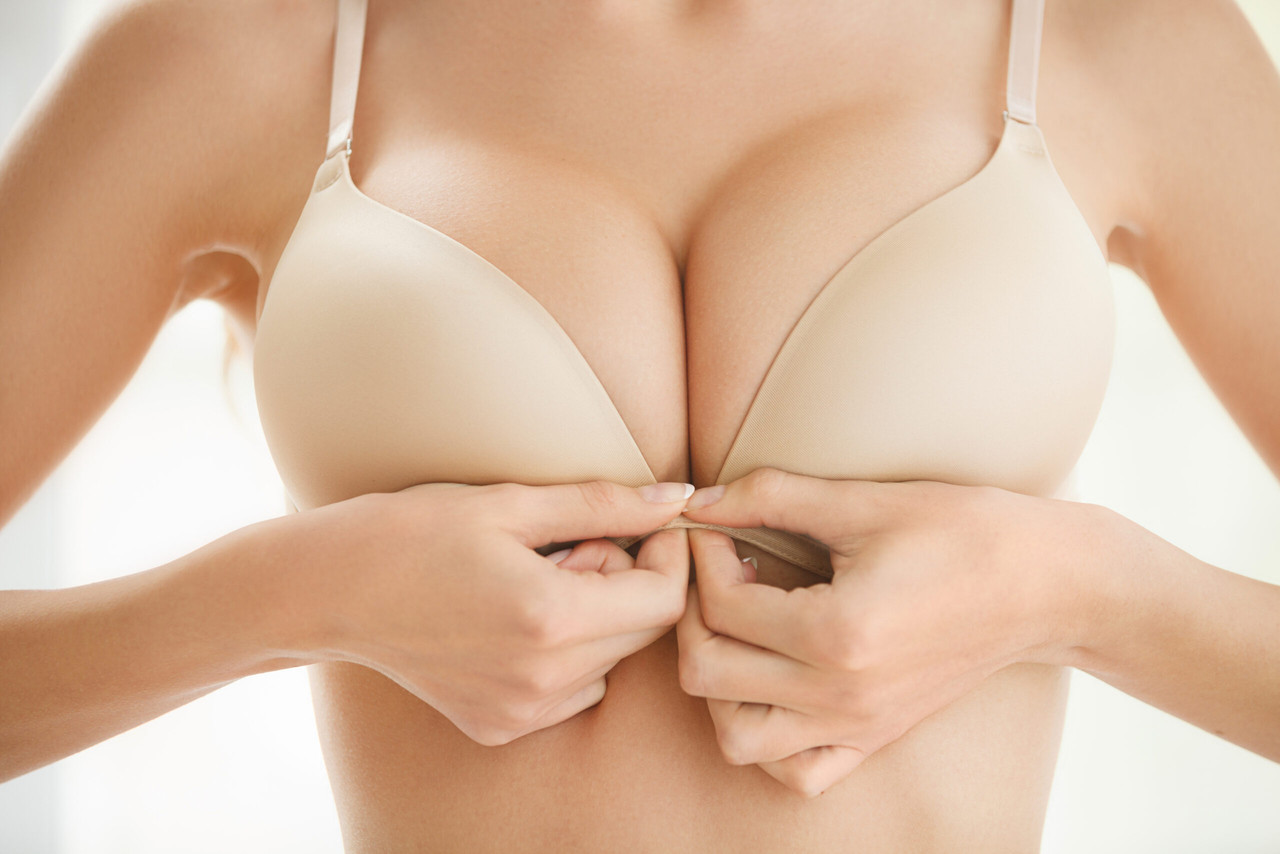
Breast augmentation is a personal decision that involves more than choosing a preferred cup size. The most satisfying outcome often comes from selecting implants that complement a person’s natural anatomy, body frame, chest width, and individual aesthetic goals. While some individuals prefer a subtle enhancement, others may want a fuller appearance. Understanding how implant size is selected helps patients approach the process with realistic expectations and a clearer idea of what may suit their bodies.
For anyone considering Breast Augmentation Dubai, implant selection is an important part of the consultation and surgical planning process. A surgeon considers several measurements, including breast base width, existing breast tissue, skin characteristics, and the relationship between the breasts and the rest of the body. These details help guide decisions about implant volume, profile, and placement.
At Cornerstone Clinic, patients exploring breast enhancement can use their consultation to discuss their preferences, understand the available options, and learn how individual anatomical features influence implant selection. The aim is to develop a personalised plan rather than follow a standard size recommendation.
Why Do Body Proportions Matter When Selecting Breast Implants?
Body proportions influence how breast implants appear after surgery. The same implant volume can create noticeably different results in two people because their chest dimensions, breast tissue, shoulder width, and overall body frames may differ.
For example, an implant that creates a balanced appearance on a person with a broader chest may look more prominent on someone with a narrower frame. Similarly, someone with more existing breast tissue may experience a different visual effect from someone starting with a smaller natural breast volume.
Considering body proportions helps the surgeon assess how the proposed enhancement may relate to the shoulders, waist, and overall silhouette. It also provides a useful starting point for discussing whether a patient prefers a natural-looking change or a more pronounced increase in fullness.
Rather than focusing exclusively on a particular cup size, implant planning considers the relationship between the implant and the patient’s existing anatomy. This approach supports more informed decisions and helps establish expectations based on individual characteristics.
How Is Chest Width Used to Determine Implant Size?
Chest width is one of the main measurements considered during breast augmentation planning. It helps the surgeon evaluate the space available for an implant and determine which dimensions may fit the natural breast footprint.
The breast base width refers to the horizontal width of the breast where it meets the chest wall. Measuring this area helps guide the selection of an implant that corresponds appropriately to the patient’s anatomy.
An implant that is too wide for the available breast footprint may extend beyond the natural breast boundaries. Conversely, an implant that is too narrow may not provide the distribution of fullness the patient wants.
The surgeon also considers the distance between the breasts, the position of the breast fold, and the shape of the chest wall. These measurements provide a more complete picture than implant volume alone.
For patients researching Breast Augmentation Dubai, understanding chest width can explain why a surgeon may recommend a particular implant dimension even when a different size initially seems more appealing. The recommendation is based on anatomical compatibility as well as the desired appearance.
Does Existing Breast Tissue Affect Implant Size?
Yes. The amount and distribution of natural breast tissue play an important role in determining which implant size may be suitable.
Patients with more existing breast tissue may have a different starting shape and level of coverage than those with less tissue. The surgeon assesses how much natural tissue is present, where it is distributed, and how it contributes to the current breast contour.
Existing tissue can influence the visible transition between the upper chest and the breast, as well as the overall shape after augmentation. The surgeon also considers the thickness and elasticity of the surrounding skin.
For someone seeking a subtle enhancement, a relatively modest implant may provide the desired change while maintaining the appearance of the natural breast shape. Another patient may prefer greater fullness, requiring a different combination of implant dimensions and profile.
However, there is no universal formula connecting natural breast volume to a particular implant size. Each patient has different anatomical characteristics, and the final recommendation should reflect an individual assessment.
What Is the Difference Between Implant Volume and Implant Profile?
Implant volume and implant profile are related, but they describe different characteristics.
Implant volume is generally measured in cubic centimetres (cc). It indicates how much volume the implant contains. Implant profile describes how far the implant projects forward in relation to its base width.
Two implants with the same volume can have different widths and projections. For example, an implant with a wider base may distribute its volume across a broader area, while a narrower implant may create more forward projection.
This distinction is important when matching implants to body proportions. A patient with a narrower chest may discuss different profile options from someone with a broader breast base, depending on the desired shape and the surgeon’s assessment.
The profile selected also influences the appearance of the upper breast and the degree of forward fullness. However, the final result depends on several factors, including natural tissue, implant placement, and individual anatomy.
During consultation, patients should ask how different combinations of volume and profile may affect their expected results. Understanding these differences can make the decision more practical than choosing an implant based on its volume alone.
How Do Height, Shoulder Width, and Overall Build Influence Implant Choice?
Height and overall build provide useful context when discussing breast proportions. Although neither determines implant size on its own, these characteristics help the surgeon understand the patient’s preferred overall silhouette.
A person with broader shoulders and a wider torso may have different aesthetic goals from someone with a petite frame. The proportions of the waist and hips may also influence how breast volume is perceived in relation to the rest of the body.
For some patients, the priority is a balanced appearance that follows their natural frame. Others may prefer a more noticeable contrast between the upper and lower body. Both preferences can be discussed during the planning process.
The important consideration is that implant size should be evaluated alongside anatomical suitability. A patient’s height or clothing size alone cannot establish which implant is appropriate.
A detailed consultation allows the surgeon to consider these features together and explain which options are likely to align with the patient’s goals and natural proportions.
How Are Personal Aesthetic Goals Incorporated Into Implant Selection?
Personal preferences are central to breast augmentation planning. Patients may have different ideas about what constitutes an attractive or comfortable result, so the consultation should include a clear discussion of these expectations.
Some patients want a discreet increase in breast volume that complements their existing shape. Others prioritise greater upper-pole fullness, a rounder contour, or a more prominent change in their silhouette.
It can be helpful to describe the desired outcome in terms of appearance rather than relying only on a cup size. Cup sizing varies between bra manufacturers and does not correspond consistently to a specific implant volume.
Photographs showing preferred shapes may also help communicate aesthetic goals. These examples should be treated as discussion tools rather than guarantees because each person’s anatomy and tissue characteristics are different.
The surgeon can then explain how the preferred appearance relates to implant width, profile, volume, and placement. If a requested size does not correspond well with the patient’s anatomy, alternative options can be discussed.
This collaborative process helps patients understand the choices available while keeping the surgical plan focused on their individual circumstances.
What Role Does Implant Placement Play in the Final Appearance?
Implant placement is another factor that influences how breast augmentation results look. Depending on the patient’s anatomy and surgical plan, an implant may be positioned beneath the breast tissue, beneath the chest muscle, or using a technique that involves both tissue and muscle coverage.
The appropriate approach depends on factors such as the amount of natural breast tissue, chest anatomy, implant characteristics, and the surgeon’s assessment.
Placement can influence the contour of the upper breast and how the implant interacts with the existing tissue. It may also affect the appearance of the breast as it settles after surgery.
This means that implant volume should not be considered in isolation. Two patients receiving implants of the same size may achieve different visual results because their placement, anatomy, and tissue coverage differ.
During consultation, patients should ask how the proposed placement relates to their desired breast shape and overall proportions. Understanding the reasoning behind this decision can provide a clearer picture of the complete surgical plan.
How Can Patients Compare Implant Sizes Before Making a Decision?
Comparing implant options before surgery can help patients communicate their preferences and understand the differences between available sizes.
Several methods may be discussed during consultation, depending on the clinic’s approach and the surgeon’s recommendations.
Implant sizers
Temporary implant sizers placed inside a bra can help patients visualise how different volumes may affect their silhouette beneath clothing. Although useful for comparison, they cannot reproduce the exact appearance of a surgical result.
Before-and-after photographs
Photographs of previous patients with similar anatomical characteristics may provide context about possible outcomes. Differences in chest width, tissue coverage, and implant placement should be considered when reviewing these examples.
Three-dimensional imaging
Where available, three-dimensional imaging can help illustrate how different implant options may change the visible breast contour. These simulations are estimates rather than precise predictions of the final outcome.
Measurements and clinical assessment
Physical measurements remain important throughout the planning process. The surgeon can compare implant dimensions with the patient’s breast base width and other anatomical features before recommending suitable options.
Combining these methods with a detailed discussion of personal preferences can help patients make a more informed decision.
What Should Patients Know About Breast Augmentation Cost in Dubai?
The overall cost of breast augmentation depends on several factors, so patients should seek an individual quotation rather than assume that every procedure has the same price.
When researching Breast Augmentation cost in Dubai, it is useful to ask what the quoted fee includes. Relevant considerations may include the surgeon’s fees, implant selection, anaesthesia, operating facilities, pre-operative assessments, and scheduled follow-up appointments.
The type and characteristics of the implant may also influence the total cost. However, price should be considered alongside the suitability of the proposed treatment and the experience and qualifications of the medical team.
Patients should request a clear explanation of the treatment plan and any additional charges that may apply. Comparing quotations is most useful when the services included are understood.
A consultation at Cornerstone Clinic can provide an opportunity to discuss the available options, individual requirements, and the factors that contribute to the overall treatment cost.
Conclusion
Selecting breast implants that complement body proportions involves careful consideration of anatomy, personal preferences, and the characteristics of the available implants. Chest width, natural breast tissue, skin elasticity, body frame, implant volume, and profile all contribute to the planning process.
There is no single implant size that suits everyone, and cup size alone is not a reliable guide. A personalised assessment allows the surgeon to evaluate suitable dimensions and explain how different options may influence the expected breast shape.
For individuals considering Breast Augmentation Dubai, a detailed consultation is an important opportunity to discuss aesthetic goals, compare implant options, and understand the reasoning behind the recommended approach. Patients can also ask about Breast Augmentation Cost in Dubai to clarify the financial aspects of their proposed treatment.
Ultimately, informed implant selection is about finding an appropriate balance between the patient’s desired appearance and their natural anatomy, with a treatment plan tailored to their individual needs.
Frequently Asked Questions
1. How is the correct breast implant size selected?
The surgeon considers breast base width, existing tissue, skin characteristics, chest shape, and the patient’s aesthetic preferences. Implant volume and profile are then evaluated in relation to these factors.
2. Is a larger breast implant always better for achieving fuller breasts?
No. A larger implant does not automatically produce a more balanced result. The implant must be considered in relation to the patient’s anatomy and desired appearance.
3. Does body height determine breast implant size?
Height can provide context when discussing body proportions, but it does not determine implant size on its own. Chest width, breast dimensions, tissue coverage, and individual goals are also important.
4. What is the difference between implant size and implant profile?
Implant size usually refers to volume measured in cubic centimetres, while profile describes the degree of forward projection relative to the implant’s base width. Both affect the resulting breast shape.
5. Can I choose my preferred implant size during the consultation?
Patients can explain their preferences and discuss specific implant sizes with their surgeon. The surgeon will assess whether those options are suitable for their anatomy and explain any relevant alternatives.
6. Can implant sizers help me understand how different sizes will look?
Yes. Implant sizers can provide a practical comparison of how different volumes may affect the appearance beneath clothing. However, they do not precisely reproduce the final surgical result.
7. Does natural breast tissue affect the final result?
Yes. The amount and distribution of existing breast tissue influence how an implant is covered and how the breast contour appears. These characteristics are considered during personalised planning.
8. How much does breast augmentation cost in Dubai?
The cost varies according to the treatment plan, implant choice, surgeon’s fees, anaesthesia, facility charges, and other included services. Patients should request an individual quotation that clearly explains what is covered.
9. How long does a breast augmentation consultation take?
The duration varies according to the patient’s questions, medical history, measurements, and treatment goals. The consultation should allow enough time to review suitable options and discuss the proposed surgical plan.
10. Why is a personalised consultation important before breast augmentation?
A personalised consultation helps the surgeon assess the patient’s anatomy, understand their expectations, and discuss appropriate implant dimensions and placement. It also gives patients an opportunity to ask questions before deciding whether to proceed.